








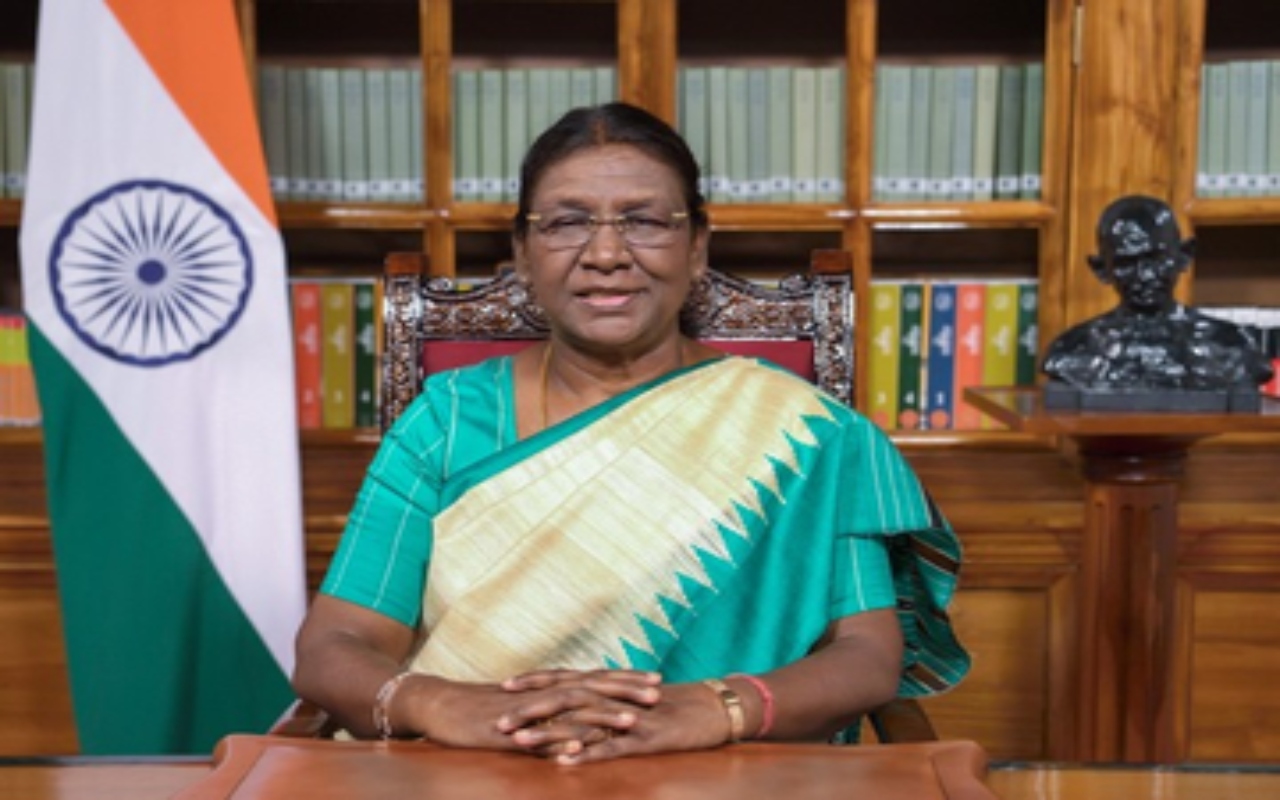
President Droupadi Murmu has highlighted the significant expansion of healthcare services and medical education across India, stating that government initiatives over the past decade have strengthened the country’s healthcare infrastructure from primary to tertiary levels.
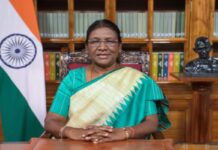
Addressing the convocation ceremony of the Atal Bihari Vajpayee Institute of Medical Sciences and Dr Ram Manohar Lohia Hospital in New Delhi on Friday, November 20, the President said that healthcare facilities are increasingly reaching rural, remote and smaller urban areas.
Nearly 1.75 Lakh Ayushman Arogya Mandirs Operational
President Murmu informed that approximately 1.75 lakh Ayushman Arogya Mandirs are currently operational across the country, providing essential primary healthcare services, particularly to people living in rural and remote regions.
She also highlighted the contribution of the Pradhan Mantri Swasthya Suraksha Yojana (PMSSY) in strengthening tertiary healthcare facilities and improving the quality of medical education.
According to the President, advanced medical facilities that were once largely concentrated in metropolitan cities are now expanding to Tier-2 and Tier-3 cities. These developments are helping improve access to hospital treatment, emergency medical services and specialised healthcare across different regions.
Focus on Affordable and Preventive Healthcare
Highlighting the National Health Policy introduced in 2017, President Murmu said the government’s healthcare approach extends beyond infrastructure development. It also focuses on preventive healthcare, access to essential medicines, rehabilitation and palliative care.
She pointed out that rising cases of non-communicable diseases, including diabetes and cancer, along with growing mental health concerns, require focused attention on prevention, early diagnosis and effective treatment.
Referring to the Ayushman Bharat Pradhan Mantri Jan Arogya Yojana (AB-PMJAY), the President said that government initiatives are helping make quality healthcare more accessible, particularly for economically weaker sections. These programmes are also providing financial protection to low-income families against high medical expenses.
₹15,000 Crore Released for Additional Medical Seats
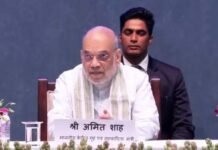
Union Health Minister Jagat Prakash Nadda, who was also present at the convocation, appreciated the institute’s contribution to quality healthcare, medical research, organ donation, organ retrieval and surgical procedures.
He informed that a state-of-the-art super-speciality block at the institute is nearing completion and is expected to become operational shortly.
The Health Minister also highlighted the government’s commitment to expanding medical education. He stated that approximately ₹15,000 crore had recently been released under the leadership of Prime Minister Narendra Modi to support around 10,000 additional undergraduate and postgraduate medical seats.
Addressing the graduating students, Nadda emphasised that access to professional medical education and advanced training carries a responsibility towards society. He encouraged them to use their knowledge, skills and opportunities to serve people with dedication and commitment.
Senior officials present at the event included Health Secretary Punya Salila Srivastava, National Medical Commission Chairman Dr Abhijat Chandrakant Sheth and Institute Director Dr Akhilandeswari Prasad.
The President’s address underlined the importance of accessible healthcare, stronger medical institutions and an expanded pool of trained medical professionals in building a more inclusive and resilient healthcare system across India.