


















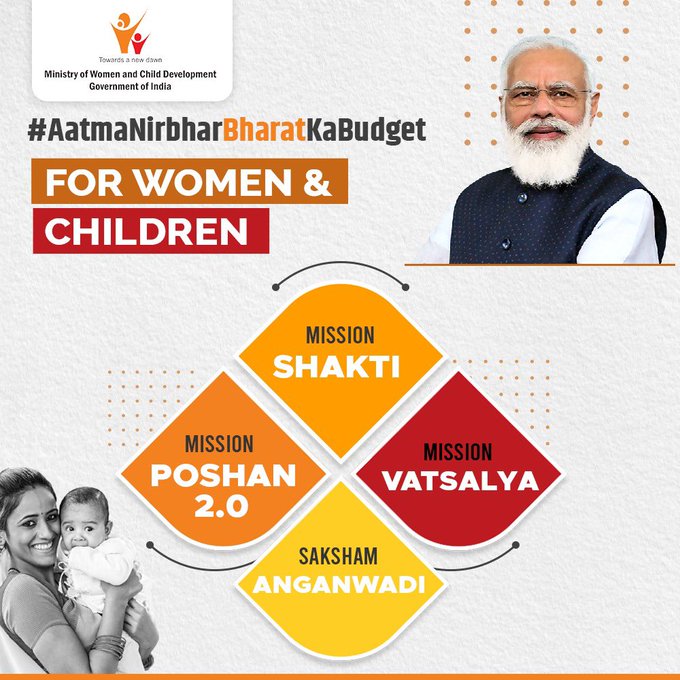
14 April: India has taken a significant step toward improving public health outcomes through Mission Poshan 2.0, an integrated nutrition support programme designed to tackle malnutrition across the country. Launched by the Government of India, the initiative consolidates various nutrition-related schemes to create a more streamlined, effective, and technology-driven ecosystem.
Mission Poshan 2.0 primarily focuses on improving nutritional outcomes for pregnant women, lactating mothers, children (0–6 years), and adolescent girls. By addressing gaps in service delivery and enhancing monitoring mechanisms, the mission seeks to ensure that the benefits of nutrition programmes reach the most vulnerable populations.
One of the key features of the programme is the integration of Anganwadi services, which play a critical role in grassroots-level implementation. These centers act as the backbone of the mission, providing supplementary nutrition, early childhood care, and health education. Strengthening Anganwadi infrastructure, improving worker training, and ensuring better service delivery are central to the mission’s strategy.
The initiative also emphasizes the use of technology for real-time monitoring and transparency. Digital tools and dashboards have been introduced to track beneficiaries, measure progress, and identify gaps. This data-driven approach enables policymakers to make informed decisions and ensures accountability at all levels.
Another major component of Mission Poshan 2.0 is community engagement and behavioural change communication. The programme encourages local participation through awareness campaigns, promoting healthy eating habits, breastfeeding practices, and hygiene. By involving communities, the government aims to create a sustainable impact beyond institutional interventions.
The mission aligns with India’s broader commitment to achieving the Sustainable Development Goals (SDGs), particularly those related to zero hunger, good health, and well-being. It also supports the vision of building a malnutrition-free India, addressing issues like stunting, wasting, and anemia.
Experts believe that while Mission Poshan 2.0 is a strong step forward, its success will depend on effective implementation, continuous monitoring, and coordination between central and state governments. Ensuring last-mile delivery, especially in remote and underserved areas, remains a key challenge.
Overall, Mission Poshan 2.0 represents a comprehensive approach to tackling one of India’s most pressing public health concerns. By combining policy integration, technological innovation, and community participation, the programme has the potential to significantly improve the nutritional landscape of the country and pave the way for a healthier, more resilient population.