













OCT 03:The Union Territory of Jammu and Kashmir witnessed a vibrant and purposeful observance of Sewa Parv and Adi Karmayogi Sewa Abhiyan, alongside Adi Karmayogi Abhiyan, from 17th September to 2nd October 2025. The 16-day campaign was dedicated to the spirit of Sewa, Samarpan, and Sushasan, reflecting the government’s vision of participatory development and community-led governance.
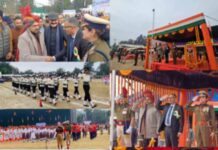
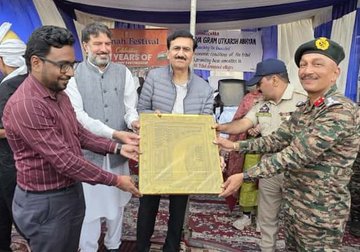
The culmination on 2nd October 2025, coinciding with Gandhi Jayanti, carried special significance. Marking the solemn occasion, tribal festivals were organized in Sagra (Poonch) and Amrohi (Kupwara), celebrating the richness of tribal traditions, culture, and heritage. These events not only honored tribal identity but also strengthened social bonds by showcasing indigenous art, music, and community practices.
A key feature of the campaign was the organization of Special Gram Sabhas in four districts—Reasi, Rajouri, Bandipora, and Poonch. These sabhas spread across 39 blocks and 237 villages, bringing grassroots participation to the forefront. Local residents actively engaged in preparing Village Action Plans, ensuring that developmental priorities reflected real community needs.
The administration, supported by various departments, remained fully mobilized to ensure the smooth conduct of activities, highlighting the government’s emphasis on last-mile delivery and tribal empowerment. The campaign also aligned with national celebrations under Janjatiya Gaurav Varsh and commemorated the 150th birth anniversary of Bhagwan Birsa Munda, symbolizing the commitment towards honoring the legacy of tribal icons.
By weaving together service, dedication, and governance, the Sewa Parv and Adi Karmayogi initiatives in J&K reaffirmed the vision of Viksit Bharat through tribal inclusion, cultural pride, and people-centric planning. The active participation of villagers, combined with the cultural vibrancy of tribal festivals, made the campaign a true celebration of community empowerment and sustainable governance.