



















22 April: The Ministry of Health and Family Welfare has carried out a comprehensive review of blood transfusion services and set a national target to achieve universal access to safe and quality blood by December 2026.
The review assessed the current status of blood banks, storage facilities, and supply chains across the country. Officials examined key areas such as collection, testing, storage, and distribution, with a focus on strengthening systems to meet rising healthcare demands.
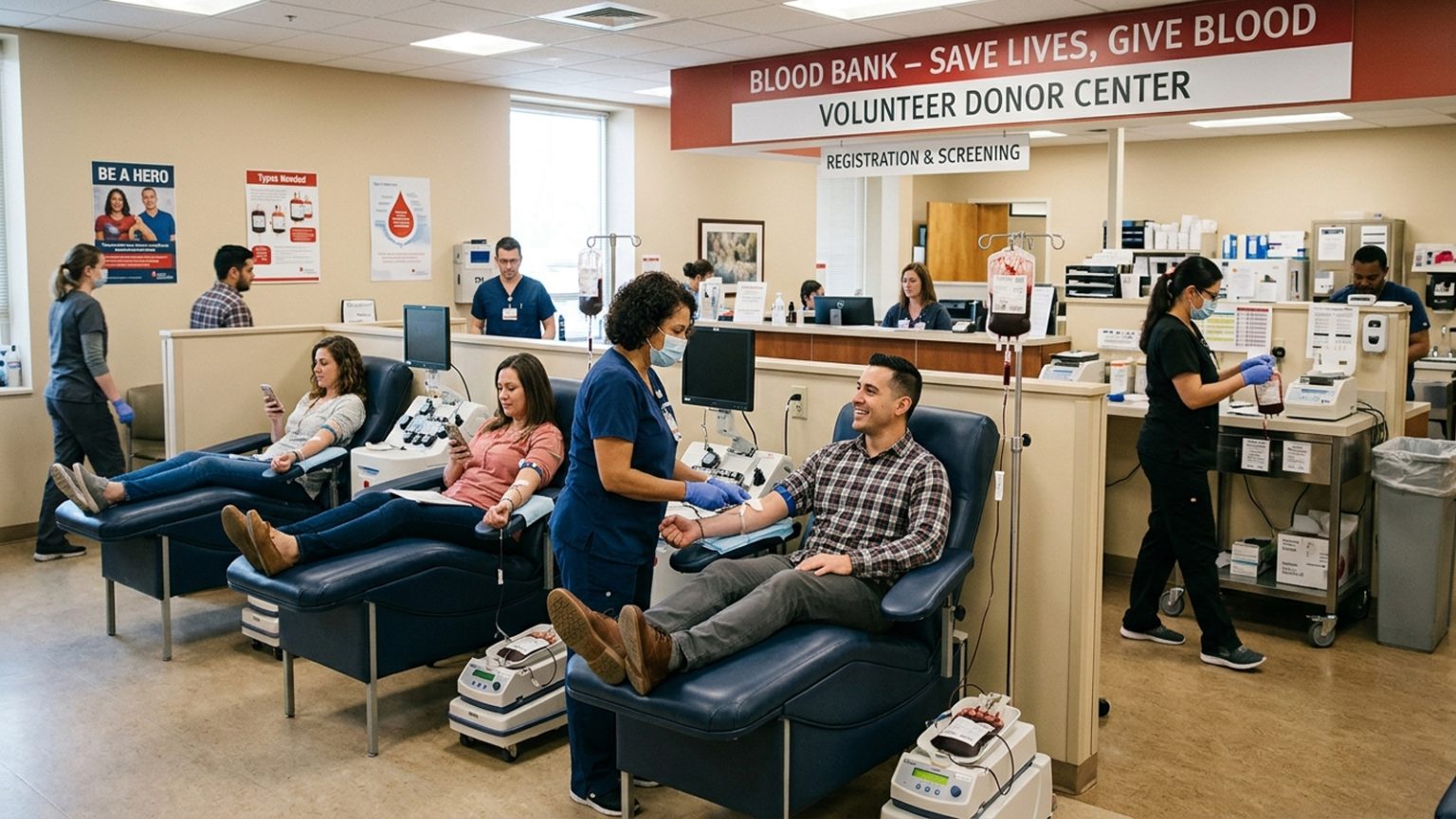
A major emphasis has been placed on promoting voluntary blood donation, which is considered the backbone of a sustainable blood supply. The Ministry is planning to expand awareness campaigns and community outreach programmes to encourage more people to donate blood regularly.
Ensuring the safety and quality of blood remains a top priority. Authorities have stressed strict compliance with screening protocols to prevent transfusion-transmitted infections. The use of improved diagnostic technologies and digital monitoring systems is also being scaled up to enhance efficiency and transparency.
The government is working to bridge gaps in rural and remote areas, where access to safe blood is often limited. Plans include setting up additional blood storage units, upgrading existing facilities, and improving logistics to ensure timely delivery during emergencies.
Officials highlighted that a strong blood transfusion network is essential for critical healthcare services, including surgeries, trauma care, maternal health, and treatment of chronic illnesses. Timely access to safe blood can significantly reduce mortality and improve patient outcomes.
The Ministry is also encouraging collaboration with hospitals, non-governmental organisations, and community groups to strengthen the overall system. Such partnerships are expected to boost participation and improve service delivery at the grassroots level.
Experts have welcomed the initiative, noting that achieving universal access to safe blood will be a major milestone in India’s public health sector. However, they stressed the need for sustained efforts, proper funding, and continuous monitoring to meet the 2026 deadline.
The move reflects the government’s commitment to building a resilient and inclusive healthcare system, ensuring that every citizen has access to life-saving blood when needed.