









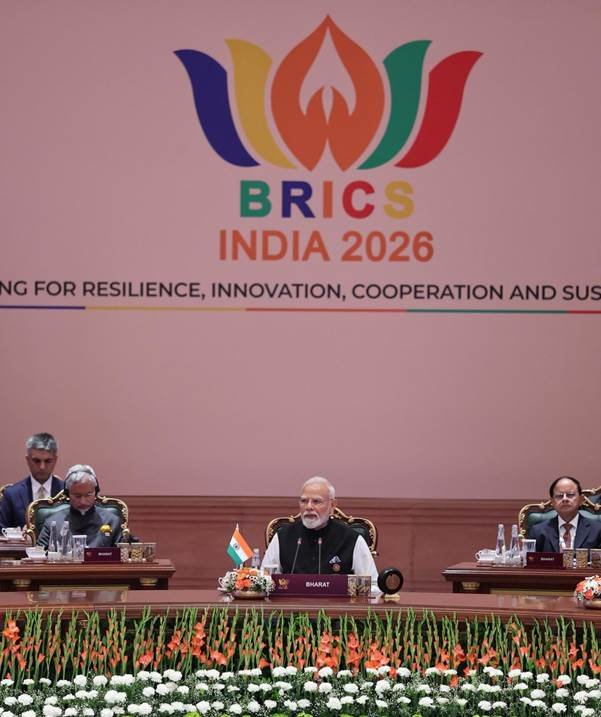
New Delhi, September 13, 2026: The 18th BRICS Summit’s New Delhi Declaration has given a significant boost to international cooperation in Traditional, Complementary and Integrative Medicine (TCIM), with member countries backing the proposed creation of a dedicated Expert Working Group under the BRICS Health Track.
The initiative is aimed at creating a structured platform for BRICS nations to exchange knowledge, strengthen research collaboration and promote evidence-based approaches to traditional medicine. The move also links TCIM with the broader objective of strengthening health systems and advancing Universal Health Coverage (UHC).
Proposed BRICS Expert Group to Strengthen Cooperation
The proposed BRICS Expert Working Group on TCIM is expected to facilitate sustained dialogue among member countries on traditional medicine, research, education, regulation and knowledge exchange.
Union Minister of State (Independent Charge), Ministry of Ayush, and Minister of State for Health & Family Welfare Prataprao Jadhav said the recognition of TCIM in the New Delhi Declaration represents an important step towards stronger global cooperation.
He emphasised that the proposed group could help countries share knowledge, improve research and advance evidence-based approaches while supporting safe, effective and affordable healthcare.
Ayush Secretary Vaidya Rajesh Kotecha similarly highlighted the potential of the proposed mechanism to strengthen research partnerships and improve quality and regulatory approaches among BRICS countries.
Greater Focus on Medicinal Plants and Herbal Preparations
The declaration places particular emphasis on cooperation in research involving medicinal plants and herbal preparations used for therapeutic and preventive purposes.
The shared traditional knowledge and pharmacopoeias of BRICS nations could provide a foundation for collaborative scientific research and the development of quality-assured therapeutic products.
Greater coordination could support better documentation of medicinal resources, evidence generation and scientific assessment of traditional preparations while encouraging responsible innovation in the sector.
Safety, Quality and Efficacy Remain Central
A major element of the declaration is its emphasis on quality, safety and efficacy.
Rather than treating traditional knowledge in isolation, the proposed cooperation seeks to encourage evidence-informed approaches and appropriate regulatory frameworks suited to the national circumstances of individual BRICS members.
This could enable participating countries to share experiences in research methodologies, pharmacopoeial standards, quality assurance, regulatory practices and scientific validation.
Such collaboration may also contribute to greater public confidence in traditional medicine by encouraging consistent standards and responsible use.
India’s BRICS Chairship Drives TCIM Cooperation
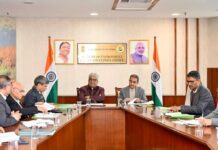
The latest development follows the BRICS Meeting on Traditional, Complementary and Integrative Medicine held in Chandigarh on July 21, 2026, during India’s BRICS Chairship.
The meeting brought together senior officials, technical experts and representatives of BRICS member states to discuss cooperation in research, education, knowledge exchange and regulatory frameworks.
Participants also reached consensus on the Terms of Reference for the proposed Expert Working Group on TCIM, laying groundwork for a more structured mechanism of cooperation.
Strengthening Ayurveda’s Global Platform
For India, the development carries particular significance for the international advancement of Ayurveda and other Ayush systems.
India has increasingly emphasised scientific research, evidence generation, quality assurance and regulatory standards while promoting traditional systems of medicine. The proposed BRICS mechanism could provide a wider platform for Indian institutions and experts to collaborate with counterparts across member countries.
The focus on medicinal plants and herbal preparations could further encourage joint research and technical cooperation in areas ranging from pharmacopoeial knowledge to quality-assured product development.
Traditional Medicine and the Future of Healthcare
The BRICS initiative comes amid growing international discussion about the appropriate role of traditional medicine within modern health systems. The WHO Global Traditional Medicine Strategy 2025–2034 also places emphasis on strengthening evidence, ensuring safety and quality, and supporting appropriate integration of traditional medicine into healthcare.
The New Delhi Declaration therefore goes beyond simply recognising traditional medicine. It places cooperation within a framework centred on research, evidence, safety, quality and regulatory standards.
The proposed Expert Working Group could ultimately help BRICS nations combine traditional knowledge with scientific research and institutional expertise, creating new opportunities for capacity building and responsible innovation.
For India, the initiative strengthens the country’s role in international discussions on evidence-based traditional medicine and provides another avenue for Ayurveda and the wider Ayush ecosystem to contribute to conversations around affordable healthcare, preventive health and resilient health systems.