





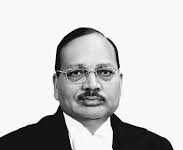












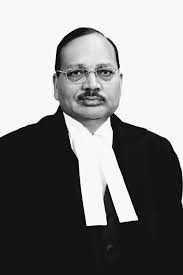
New Delhi, October 12, 2026: Chief Justice of India (CJI) Justice Surya Kant on Monday reiterated that the Supreme Court is open to every Indian citizen seeking justice, after declining a request from opposition leaders for a meeting over concerns relating to electoral processes and ongoing protests in the national capital.
Speaking to reporters after attending the National Human Rights Commission’s 33rd Foundation Day function, Justice Kant said he had received a letter seeking a meeting on Sunday and had responded the same night, explaining his inability to meet the delegation.
“The Supreme Court’s doors are open to everyone,” the CJI emphasised, underlining that ordinary citizens and elected representatives alike could approach the court through appropriate legal procedures.
CJI Cites Judicial Process for Raising Concerns
The meeting request was made by Congress president Mallikarjun Kharge and Leader of Opposition in the Lok Sabha Rahul Gandhi, who sought an appointment with the Chief Justice to submit a memorandum concerning alleged irregularities in electoral rolls and the functioning of the Election Commission of India.
According to reports, the opposition leaders wanted to raise concerns about the Special Intensive Revision (SIR) of electoral rolls, allegations of wrongful voter deletions and their demand for accountability from Chief Election Commissioner Gyanesh Kumar.
Justice Kant declined the proposed meeting, with the response indicating that the concerns should be pursued through the established judicial process, particularly as related matters are already pending before the Supreme Court.
The CJI maintained that citizens and public representatives could seek legal remedies by filing petitions. Any relief would be considered in accordance with the law.
Opposition Plans March to Supreme Court
The decision came as opposition parties under the INDIA bloc prepared to march towards the Supreme Court on Monday to raise their concerns regarding the Election Commission and the electoral revision exercise.
The opposition has alleged irregularities in the revision of electoral rolls and called for accountability over the deletion of voters’ names. These remain allegations raised by political parties and are disputed by the Election Commission and the BJP.
The proposed demonstration was also linked to wider concerns over the handling of protests in Delhi and the opposition’s demand for action on issues related to electoral transparency.
Security arrangements were strengthened in parts of central Delhi ahead of the planned march, with barricades and restrictions reported at several locations. Some metro stations were also temporarily closed as a precautionary measure.
Judicial Independence and Constitutional Remedies
The development has brought renewed attention to the distinction between administrative interactions and judicial proceedings. Matters that are pending before a court are generally addressed through formal legal procedures, allowing the parties concerned to place their submissions before the appropriate judicial forum.
By reiterating that the Supreme Court remains accessible to all citizens, Justice Kant highlighted the importance of the legal process as the route for seeking judicial intervention.
The opposition’s concerns over electoral processes are expected to remain part of the broader political debate, while any legal questions brought before the court will be considered in accordance with established procedures.
The episode comes amid continuing discussions over electoral transparency, the role of constitutional institutions and the right of political parties and citizens to seek remedies within the framework of the law.