















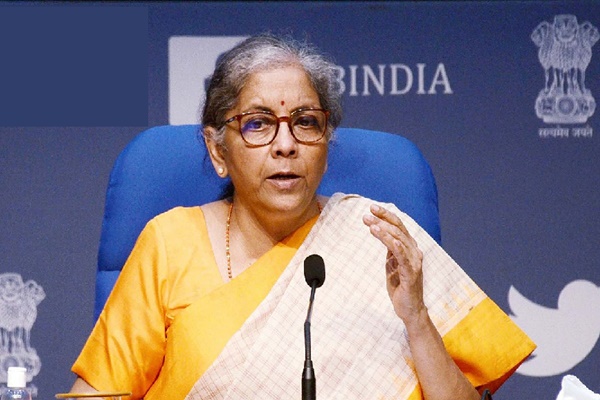
Jan 31: Finance Minister Nirmala Sitharaman will present the Union Budget 2026–27 in the Lok Sabha tomorrow, marking a significant milestone in India’s parliamentary and economic journey. This will be her ninth consecutive Budget presentation since assuming office in 2019, making her one of the longest-serving Finance Ministers in the country’s history. The upcoming Budget will also be the third Budget of the Narendra Modi government’s third term.
Following the presentation in the Lower House, the Budget documents will be tabled in the Rajya Sabha, in line with parliamentary procedures. Once the Budget Speech concludes, the complete set of Budget documents will be made available to the public through the official website and the Union Budget Mobile App, ensuring transparency and wider accessibility.
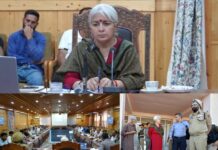
In a unique outreach initiative, the Finance Minister will interact with around 30 college students from different regions of the country after the Budget presentation. This interaction aims to familiarise young citizens with the Budget-making process and encourage greater engagement with public finance and economic policymaking.
Extensive Pre-Budget Consultations
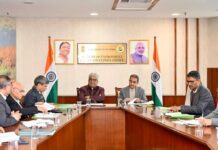
The Union Budget 2026–27 has been shaped through extensive pre-Budget consultations held over the past several months. Finance Minister Sitharaman engaged with a wide spectrum of stakeholders, including economists, trade unions, industry representatives, MSMEs, the financial sector, capital markets, education and health sector experts, and representatives from trade and services.
These consultations focused on assessing economic challenges, growth opportunities, employment generation, fiscal prudence, and social welfare priorities, ensuring that diverse viewpoints were factored into the Budget framework.
Focus on Agriculture and Rural Development
Agriculture Minister Shivraj Singh Chouhan also conducted detailed pre-Budget discussions on agriculture and rural development. He compiled and submitted a comprehensive set of recommendations to the Finance Minister, covering key areas such as farmer welfare, agricultural productivity, rural infrastructure, and allied sectors. These inputs are expected to play an important role in shaping policies aimed at strengthening India’s agrarian economy.
Citizen Participation in Budget Preparation
In line with the government’s emphasis on participatory governance, inputs were also invited from citizens, including youth, through various digital platforms. The Ministry of Finance stated that suggestions received from the public have been examined and are likely to find reflection in the Union Budget 2026–27.
As expectations run high across sectors, the Budget is anticipated to outline the government’s roadmap for economic growth, fiscal stability, inclusive development, and long-term reforms, while addressing global and domestic economic challenges.