


















 has announced a reduction in its key lending rates following the Reserve Bank of India’s (RBI))
Sahil Aggarwal (Editor-in-Chief)
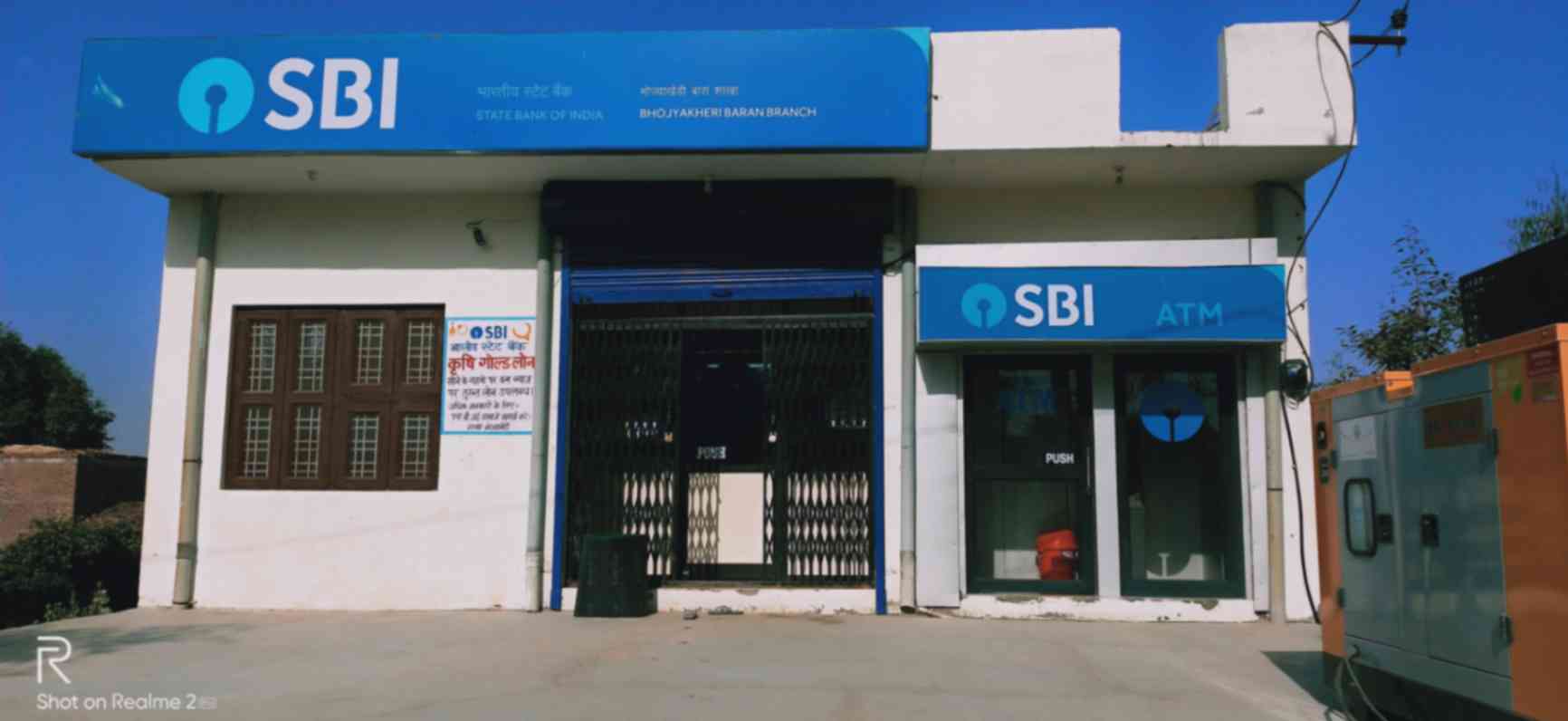
June 15: In a major post-policy move, the State Bank of India (SBI) has announced a reduction in its key lending rates following the Reserve Bank of India’s (RBI) recent repo rate cut. This decision, effective from June 15, 2025, is set to bring significant relief to borrowers, particularly those with home, personal, and vehicle loans linked to the External Benchmark Lending Rate (EBLR).
The EBLR has been reduced by 50 basis points, bringing it down from 8.65% to 8.15%, making home loans more affordable. Depending on credit scores and other risk metrics, borrowers can now access home loan interest rates as low as 7.50%, giving a substantial boost to home affordability in both urban and semi-urban markets. All floating rate loans linked to EBLR and the Repo-Linked Lending Rate (RLLR) will see a similar cut, in line with the RBI’s 50 bps policy easing.
On the deposit side, SBI has marginally lowered interest on select fixed deposits. The bank’s special 444-day fixed deposit scheme, popularly known as “Amrit Kalash”, will now offer 6.60%, down from the earlier 6.85%. However, regular retail fixed deposit rates for tenures under ₹3 crore remain unchanged for now.
This dual adjustment—cheaper loans and slightly trimmed deposit rates—reflects the central bank’s current monetary stance aimed at stimulating credit growth amid global uncertainties and inflation moderation. It also follows the infusion of significant liquidity into the system by the RBI, which has encouraged banks to lower borrowing costs.
Industry analysts believe this move by SBI may prompt other banks to follow suit, leading to an overall softening of lending rates across the banking sector. Borrowers with existing floating rate loans can expect a reduction in EMIs, while new borrowers are likely to benefit from better credit deals in the coming months.
For consumers, this presents an opportunity to reconsider loan refinancing or plan new borrowing, especially for housing and education. Meanwhile, depositors may need to explore alternative savings instruments to maintain returns.
In summary, the SBI lending rate cut is a positive development for borrowers and is aligned with broader monetary policy objectives, bringing balance to India’s evolving credit and savings environment.