


















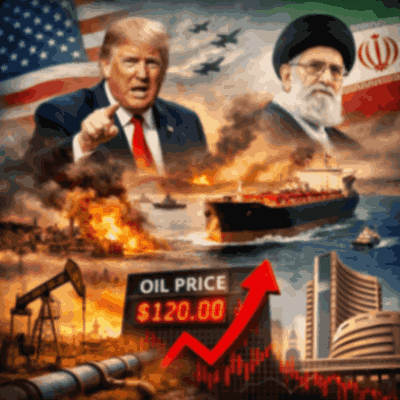
APRIL 9: In a significant breakthrough amid rising tensions in West Asia, the United States and Iran have reached an understanding to implement a temporary two-week ceasefire, aiming to de-escalate the situation and create space for diplomatic engagement.
A central element of the agreement is the reopening of the Strait of Hormuz, a crucial maritime corridor through which a substantial portion of the world’s oil supply passes. The move is expected to ease disruptions in global trade and energy markets that had intensified due to recent hostilities.
Major Boost for Global Energy Stability
The recent conflict had led to heightened risks in the region, with shipping routes affected and oil prices witnessing volatility. The assurance of safe passage through the Strait is likely to restore confidence among global shipping companies and energy markets.
Industry observers believe that while the reopening will not immediately normalize operations, it is a strong signal toward stabilisation. Oil-importing nations, including India, stand to benefit from reduced uncertainty in supply chains.
Key Highlights of the Agreement
According to initial reports, the ceasefire includes:
- A temporary halt to military operations by both sides
- Commitment to ensure secure navigation through the Strait of Hormuz
- Initiation of diplomatic talks during the ceasefire period
- Monitoring of compliance to avoid further escalation
The agreement comes at a critical moment, preventing what many feared could escalate into a wider regional conflict.
Diplomacy Takes Centre Stage
The two-week pause is being viewed as an opportunity for backchannel negotiations and confidence-building measures. While no long-term settlement has been announced yet, the development indicates a willingness from both sides to avoid further confrontation.
Global stakeholders have welcomed the move, urging sustained dialogue to address deeper geopolitical concerns that continue to fuel tensions in the region.
A Temporary Relief, Not a Final Solution
Despite the positive development, experts caution that the ceasefire is fragile and time-bound. Core issues between the two nations remain unresolved, and the situation could shift quickly if negotiations fail to produce concrete outcomes.
The coming days will be crucial in determining whether this pause leads to a broader peace framework or merely delays further conflict.
Conclusion
The ceasefire between the United States and Iran marks a much-needed pause in escalating tensions, offering relief to global markets and a chance for diplomacy to take precedence. However, with underlying issues still intact, the world will be closely watching whether this temporary truce can pave the way for lasting stability.