














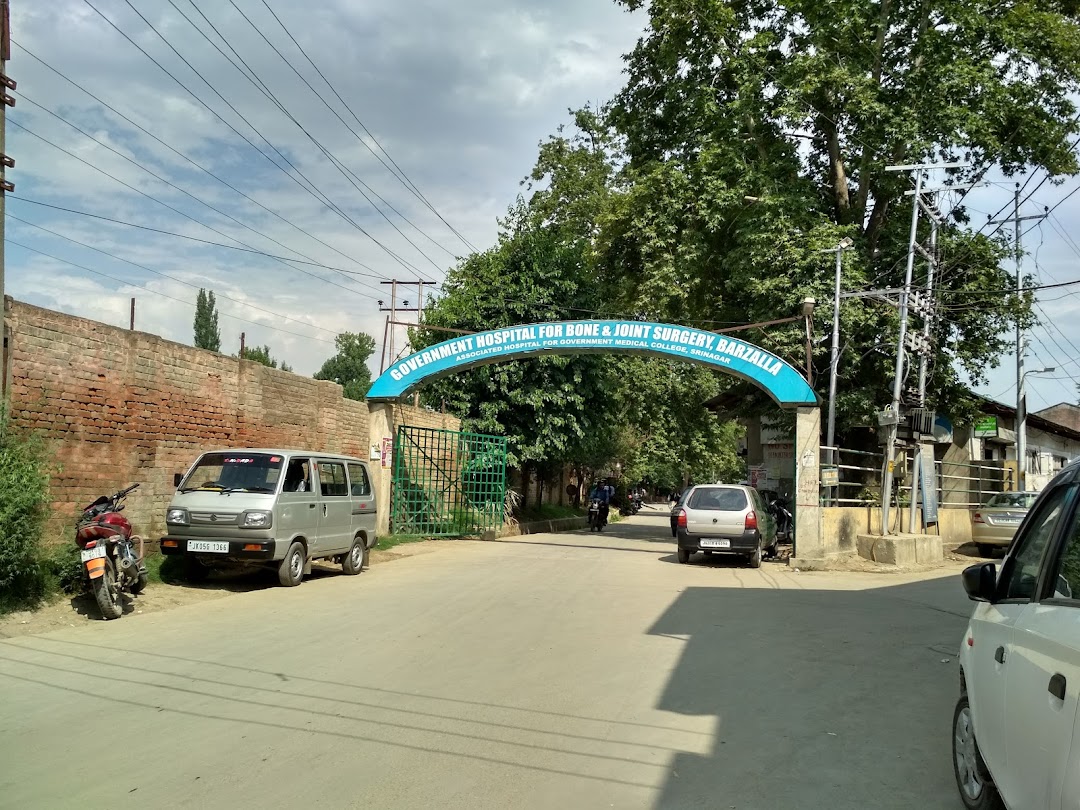
April 06: In a decisive push to enhance specialised healthcare services, the Jammu and Kashmir Government has approved the creation of 64 additional posts for the Bone and Joint Hospital, marking a significant milestone in strengthening the region’s medical infrastructure.
The announcement was made by Health and Medical Education Minister Sakeena Itoo, who highlighted that the move reflects the broader vision of the government led by Omar Abdullah to build a robust and responsive healthcare system.
From Infrastructure to Functionality
While the construction of a 120-bedded additional block at the hospital had already been completed and dedicated to public use, the challenge lay in ensuring its full operational capacity. Initially, services in the new block were managed through internal adjustments and redistribution of existing staff.
However, with a steady rise in patient inflow and increasing demand for specialised orthopaedic and trauma care, the need for dedicated manpower became evident. The government’s decision to sanction 64 posts bridges this critical gap—transforming infrastructure into fully functional healthcare delivery.
A Strategic Healthcare Intervention
The newly created positions span across multiple disciplines and support services. These include senior residents in key specialities such as orthopaedics, medicine, surgery, radiology, and microbiology, along with resident medical officers, casualty medical officers, nursing staff, technicians, and administrative personnel.
This multi-tier staffing approach ensures that patient care is not only available but also efficient, timely, and specialised. It signals a shift from ad-hoc arrangements to a structured, long-term healthcare model.
Minister Sakeena Itoo underscored that healthcare development is not limited to constructing buildings—it requires a balanced focus on infrastructure, skilled manpower, and service delivery mechanisms.
Strengthening Trauma and Orthopaedic Care
The importance of the Bone and Joint Hospital in Srinagar cannot be overstated. As a key referral centre for trauma and orthopaedic cases across the Kashmir division, the hospital caters to a large and diverse patient population.
By enhancing staffing capacity, the government aims to improve emergency response systems, reduce patient waiting time, and ensure better clinical outcomes. In a region where road accidents, injuries, and orthopaedic ailments require timely intervention, such improvements can have life-saving implications.
Policy Backed by Vision
The decision, approved by the Council of Ministers under Chief Minister Omar Abdullah, reflects a governance approach that prioritizes both accessibility and quality in public healthcare.
Rather than limiting efforts to visible infrastructure projects, the administration appears to be focusing on the less visible—but equally critical—aspect of human resources in healthcare.
This approach aligns with the evolving understanding that sustainable healthcare systems depend on the seamless integration of facilities, workforce, and service delivery.
Addressing Growing Healthcare Demands
Jammu and Kashmir has witnessed a consistent rise in healthcare demand, driven by population growth, increased awareness, and improved access to medical facilities. Specialised institutions like the Bone and Joint Hospital play a central role in managing this demand.
The creation of additional posts is therefore not just an administrative decision—it is a response to real, on-ground healthcare needs. It ensures that the system remains adaptive and capable of handling future challenges.
A Step Toward Comprehensive Healthcare Reform
This move also reflects a broader trend in the Union Territory’s healthcare policy—focused on expansion, modernization, and inclusivity. By ensuring that new facilities are adequately staffed, the government is reinforcing public trust in the healthcare system.
Minister Itoo reiterated that the administration remains committed to improving healthcare accessibility through systematic planning, manpower augmentation, and continuous upgrades in service delivery.
Conclusion
The sanctioning of 64 posts for the Bone and Joint Hospital Srinagar is more than a routine सरकारी decision—it is a crucial step toward building a healthcare system that is both efficient and people-centric.
By aligning infrastructure development with human resource planning, the government is setting a practical example of how healthcare reforms should be implemented. For patients across Kashmir, this translates into better care, quicker response, and renewed confidence in public health institutions.