















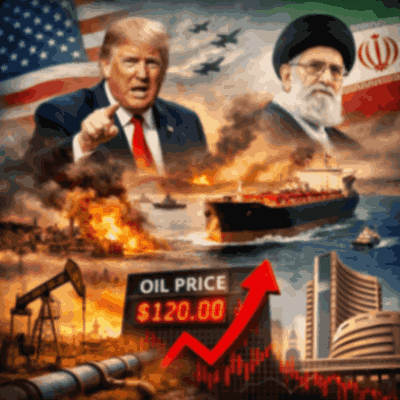
April 11, 2026: In a significant diplomatic development, representatives from the United States and Iran are set to hold direct talks in Islamabad today, marking a crucial attempt to de-escalate tensions in the volatile West Asia region.
The high-level meeting comes at a time when geopolitical uncertainties and security concerns have intensified, particularly around the strategically vital Strait of Hormuz, a key global oil transit route.
High-Level Delegations to Lead Dialogue
The United States delegation will be led by Vice President JD Vance, accompanied by special envoy Steve Witkoff and senior adviser Jared Kushner.
On the Iranian side, the delegation will be headed by Parliament Speaker Mohammad Bagher Ghalibaf, reflecting Tehran’s intent to engage at a senior political level.
Focus Areas: Nuclear Programme and Regional Security
According to diplomatic sources, the talks are expected to address several sensitive and critical issues, including Iran’s nuclear programme, concerns over ballistic missile development, and broader regional security challenges.
The stability of the Strait of Hormuz will remain a central point of discussion, given its importance for global energy supply chains. Any disruption in this corridor has the potential to impact international oil markets and economic stability worldwide.
A Step Toward De-escalation
The decision to hold direct talks signals a cautious yet important step toward reducing hostilities and rebuilding diplomatic engagement between the two nations. Relations between Washington and Tehran have remained strained for years, often influencing the broader geopolitical dynamics of West Asia.
Analysts believe that this dialogue, if productive, could pave the way for further negotiations and confidence-building measures, particularly in light of recent regional tensions.
Global Implications
The outcome of these talks will be closely watched by the international community, as stability in West Asia holds significant implications for global trade, energy security, and diplomatic alignments.
While expectations remain measured, the very initiation of direct communication is being viewed as a positive sign in an otherwise tense geopolitical landscape.