


















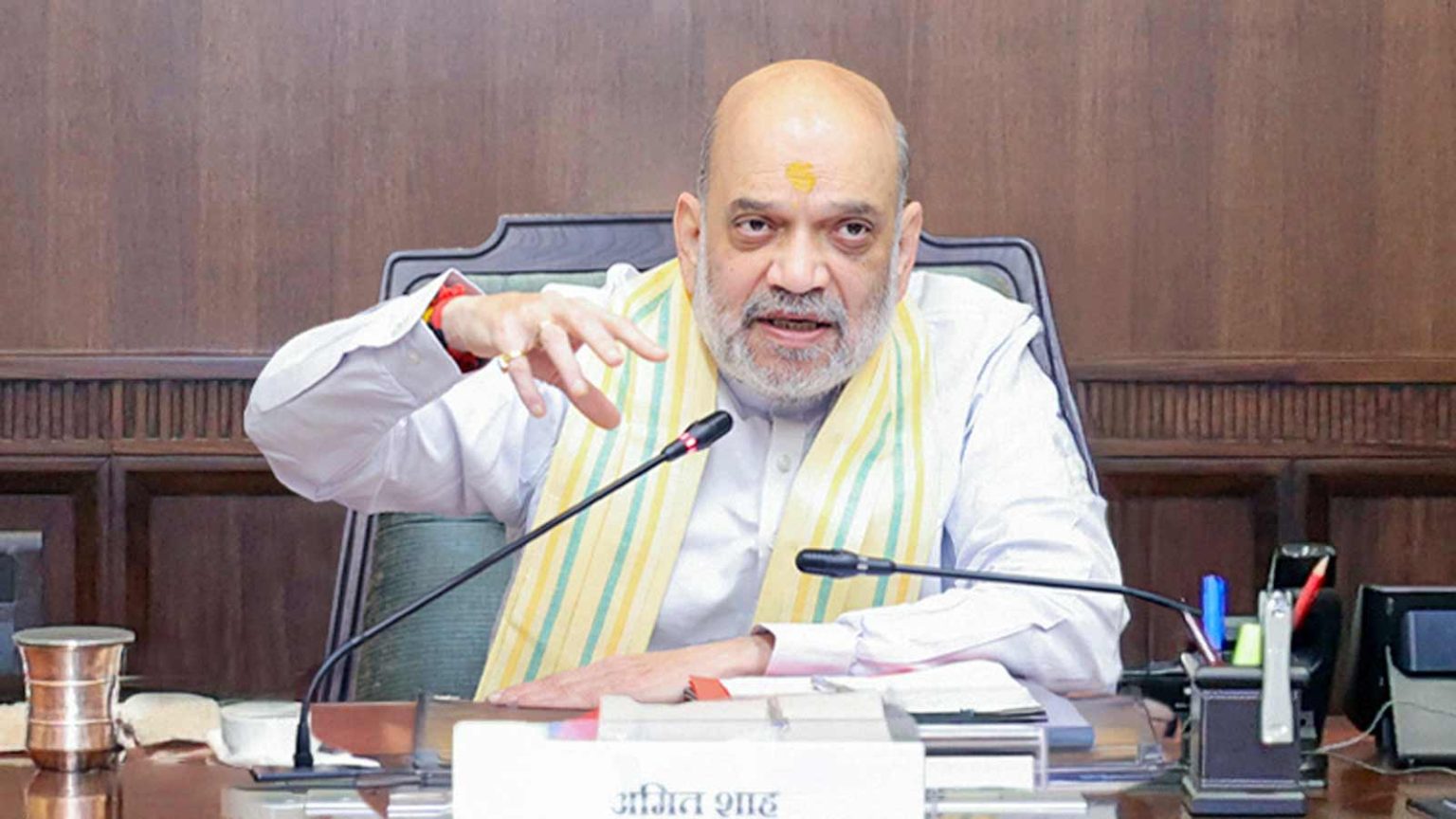
9 June: Union Home Minister Amit Shah is set to launch the Land Port Management System (LPMS), a major digital initiative aimed at modernizing border operations and enhancing the efficiency of land ports across the country.
The new platform is expected to streamline the management of cross-border movement, improve coordination among various agencies, and strengthen the overall functioning of India’s land port infrastructure. Officials believe the system will play a crucial role in facilitating trade, travel, and security management at international border checkpoints.
The Land Port Management System has been designed to integrate multiple services and operational processes onto a single digital platform. By leveraging technology, authorities aim to reduce paperwork, improve transparency, and ensure faster processing of cargo and passenger movements at land ports.
According to officials, the initiative aligns with the government’s broader vision of digital governance and infrastructure modernization. The platform is expected to provide real-time monitoring capabilities, improve data management, and enhance coordination between stakeholders involved in border management.
Land ports serve as critical gateways for trade and people-to-people exchanges between India and neighboring countries. Efficient functioning of these facilities is essential for supporting economic activity, strengthening regional connectivity, and ensuring smooth cross-border operations.
Experts note that digitization of border infrastructure can significantly improve operational efficiency by reducing delays and simplifying administrative procedures. The adoption of digital systems also helps strengthen accountability while enabling better resource utilization.
The LPMS is expected to support various aspects of land port operations, including documentation, logistics management, security monitoring, and information sharing among relevant agencies. By creating a centralized digital ecosystem, authorities aim to make border operations more efficient and user-friendly.
Government officials have emphasized the importance of modern infrastructure in supporting India’s growing trade and connectivity requirements. As economic activity expands and cross-border interactions increase, technology-driven solutions are becoming increasingly important for managing complex operational environments.
The launch of the system is also expected to contribute to the government’s efforts to promote ease of doing business. Faster clearance procedures and improved coordination can help facilitate trade flows while reducing operational bottlenecks at border points.
Security experts believe that digital platforms can enhance situational awareness and strengthen border management by enabling timely access to information and improved coordination among agencies. Such systems can support both facilitation and security objectives simultaneously.
The initiative reflects the growing emphasis on integrating technology into public administration and infrastructure management. Similar digital transformations across various sectors have demonstrated the potential of technology to improve service delivery, transparency, and efficiency.
Officials expect the Land Port Management System to become an important tool in modernizing India’s border infrastructure and supporting the country’s long-term economic and strategic objectives. The platform is likely to play a key role in creating smarter, more efficient, and better-connected land port operations.
As India continues to invest in digital governance and infrastructure modernization, the launch of LPMS represents another step toward building technology-enabled systems capable of meeting future trade, travel, and security requirements.