
















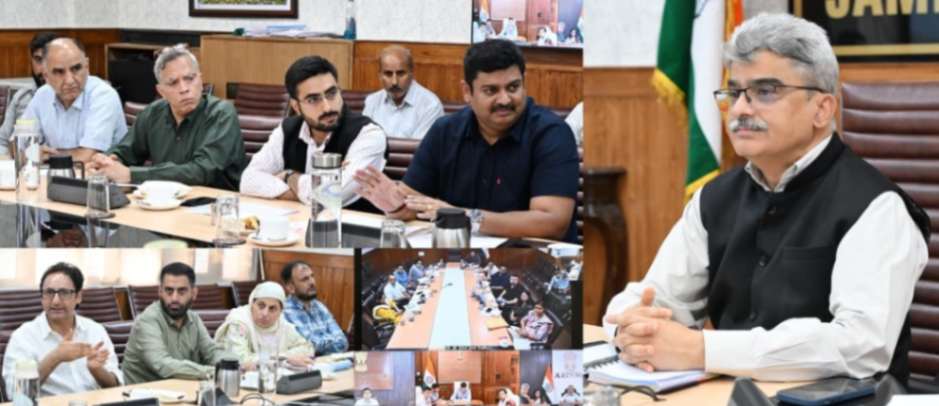
Jammu, August 25, 2026: Jammu & Kashmir Chief Secretary Atal Dulloo on Monday reviewed preparations for the Phase-I Pilot of the Rehabilitation & Socio-Economic Reintegration Scheme for Drug Abuse Victims, 2026, with a focus on ensuring that the initiative delivers a coordinated and effective support system for affected individuals.
The review meeting examined several key aspects of the pilot, including institutional preparedness, availability of human resources, infrastructure, capacity building and coordination among different departments. Officials also discussed the development of a dedicated digital mechanism to monitor beneficiaries and track the progress of rehabilitation efforts.
The proposed pilot is aimed at strengthening the rehabilitation process by moving beyond treatment alone and creating a structured pathway towards social and economic reintegration. The emphasis on coordinated support reflects the need for sustained assistance to individuals as they work towards rebuilding their lives and reconnecting with families, communities and livelihood opportunities.
Focus on Coordinated Rehabilitation
During the meeting, Chief Secretary Atal Dulloo stressed that the Phase-I pilot should evolve into a practical and replicable model for rehabilitation and socio-economic reintegration in Jammu & Kashmir.
He called for effective convergence among government departments, healthcare institutions, district administrations and local communities so that beneficiaries receive comprehensive support rather than fragmented assistance.
The approach places importance on coordination at multiple levels. While health institutions can provide necessary treatment and care, district administrations and other departments can contribute towards rehabilitation, skill development, livelihood opportunities and social support.
Digital Monitoring to Strengthen Implementation
A dedicated digital mechanism for beneficiary monitoring was also among the key issues discussed during the review. Such a system can help authorities maintain appropriate records, monitor the progress of beneficiaries and improve coordination among agencies involved in the rehabilitation process.
Effective monitoring will be particularly important during the pilot phase, as authorities assess what works on the ground and identify areas requiring improvement before expanding the model further.
Building a Sustainable Support System
The government’s focus on socio-economic reintegration indicates a broader approach to addressing drug abuse. Rehabilitation is not limited to medical intervention; sustained recovery can also require family support, community acceptance, counselling, education, skills and opportunities for economic independence.
The involvement of district administrations and communities is therefore expected to play an important role in ensuring that beneficiaries receive continued support after institutional treatment.
The Phase-I pilot will provide an opportunity for Jammu & Kashmir to assess the effectiveness of this integrated approach and develop a framework that can potentially be strengthened and expanded across the Union Territory.
Chief Secretary Dulloo’s emphasis on inter-departmental convergence underlines the administration’s intention to make rehabilitation a collective institutional responsibility, bringing health, social support, administration and community participation together.
If implemented effectively, the pilot could provide a structured foundation for helping affected individuals return to productive social and economic life while strengthening the wider support ecosystem for rehabilitation across J&K.