













Sahil Aggarwal
(Editor In Chief)
Madan Lal Sharma: A Legacy of Dedication, Vision and People-Centric Leadership
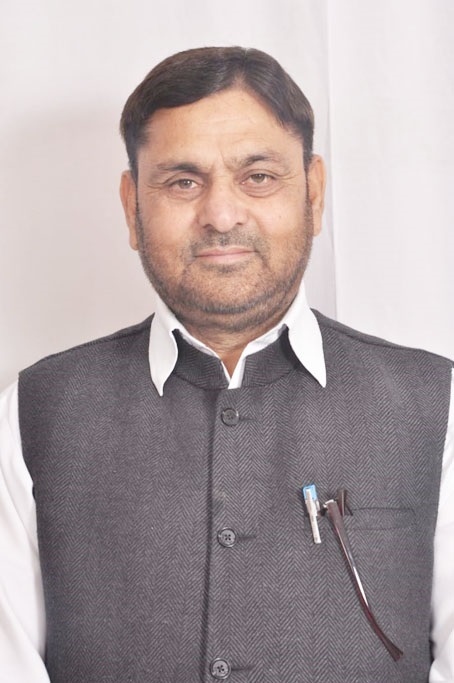
Madan Lal Sharma, a distinguished political figure and senior leader of the Indian National Congress, devoted his life to the service of Jammu and Kashmir. Born on April 22, 1952, in Jammu, he rose through the ranks with a reputation for sincerity, grassroots connection, and an unwavering commitment to public welfare. His journey from a regional leader to a Member of Parliament reflected not just political success, but a deep bond with the people he represented.
Political Journey and Contributions
Sharma began his political career as a Member of the Legislative Assembly (MLA) from the Chhamb constituency. His dedication and ability to address public concerns earned him re-election and a ministerial role in the state government. Later, in 2002, he represented the Akhnoor constituency and continued his ministerial responsibilities in the PDP-Congress coalition.
In 2004, he entered the national stage as a Member of Parliament from the Jammu-Poonch constituency, serving two consecutive terms until 2014. During this period, his work focused on strengthening infrastructure, improving healthcare access, expanding educational facilities, and uplifting rural communities.
Voice of the People: Key Themes from His Speeches
Madan Lal Sharma was widely respected not only for his work but also for his impactful speeches, which reflected clarity, conviction, and deep concern for society. Some recurring themes from his public addresses include:
- People First Governance: He often emphasized that governance must remain rooted in the needs of the common man. He believed that policies should translate into real change on the ground rather than remain confined to files.
- Rural Development as the Backbone: Sharma frequently highlighted that villages are the backbone of Jammu and Kashmir, urging authorities to prioritize roads, water supply, healthcare, and education in rural belts.
- Unity and Harmony: In his speeches, he consistently called for communal harmony and peaceful coexistence, stressing that progress is only possible when society stands united.
- Transparency and Accountability: He urged officials and community leaders to ensure that government schemes reach the intended beneficiaries without corruption or delay.
- Youth Empowerment: Sharma believed that the youth hold the key to the future and often encouraged them to actively participate in nation-building while staying rooted in values.
His speeches were known for being straightforward, relatable, and grounded in reality—qualities that strengthened his connection with the masses.
Community Development Initiatives
A firm believer in grassroots empowerment, Sharma effectively utilized the MPLADS fund to initiate developmental projects. One notable example was the construction of a community hall in Patyari (Block Khour), which became a hub for social and cultural gatherings.
He advocated balanced development across urban and rural areas, pushing for improvements in sanitation, drinking water, education, and healthcare. Importantly, he encouraged public participation in monitoring projects, fostering a culture of accountability.
Preservation of Cultural Heritage
Sharma also played a significant role in preserving Jammu and Kashmir’s cultural identity. His efforts in promoting the historic Buddhist site at Ambaran in Akhnoor brought national attention to the region’s rich heritage. He understood that development is incomplete without cultural preservation, and worked to ensure that history and progress go hand in hand.
Family Legacy and Continued Service
His legacy continues through his son, Satish Sharma, who currently holds key ministerial portfolios in Jammu and Kashmir. Carrying forward his father’s vision, Satish Sharma has actively promoted cultural initiatives like the Ambaran exhibition at the National Museum in New Delhi, showcasing the region’s historical richness.
During such initiatives, he has often acknowledged his father’s role in preserving heritage and shaping a development-oriented vision for the region.
Final Years and Lasting Impact
Even after facing electoral defeat in 2014, Madan Lal Sharma remained deeply engaged with the public. He continued to advocate for development and welfare until his passing on December 23, 2020, at the age of 68.
His life was not defined by positions held, but by the trust he earned. His contributions to infrastructure, social welfare, and cultural preservation have left a lasting imprint on Jammu and Kashmir.
Conclusion
Madan Lal Sharma’s journey stands as a testament to what committed public service looks like. He combined administrative responsibility with human sensitivity, always keeping people at the center of his work. His speeches inspired action, his policies drove change, and his legacy continues to guide future leaders.
In remembering him, one is reminded that true leadership lies not in power, but in purpose—and Madan Lal Sharma embodied that principle throughout his life.

, dedicated his life to the welfare and development of Jammu and Kashmir)