



















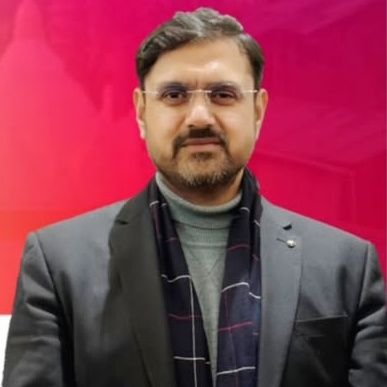
Minister Satish Sharma’s Aarohan 2026 Message Reinforces the Need for a Youth-Driven Movement Against Drug Abuse
The message delivered by Satish Sharma at Aarohan 2026 reflects a growing concern that drug abuse is no longer only a law-and-order issue, but a serious social challenge requiring active participation from young people, families, educational institutions, and communities.
Addressing students and participants during the youth festival in Srinagar, Sharma urged the younger generation to take leadership in building a drug-free society and to channel their energy toward innovation, sports, education, and nation-building.
His remarks come at a time when concerns surrounding substance abuse are increasingly affecting communities across Jammu and Kashmir. What was once considered a limited problem has gradually expanded into a wider social issue impacting schools, colleges, families, and local communities.
The significance of Sharma’s address lies in its emphasis on prevention and awareness rather than relying solely on punitive approaches.
Drug addiction often grows silently through social pressure, emotional distress, unemployment, lack of guidance, or absence of constructive opportunities. Young people facing uncertainty and frustration can become particularly vulnerable without positive support systems and healthy engagement platforms.
This is why the minister’s appeal for youth-led action carries importance.
Young citizens are not only among the most affected groups in the drug crisis, but they also possess the influence to shape peer behaviour, spread awareness, and encourage positive change within society.
The Aarohan 2026 event itself reflected a broader vision focused on youth participation, creativity, leadership, and personal development. By linking anti-drug awareness with sports, innovation, and social engagement, the programme attempted to promote the idea that meaningful opportunities and positive environments can become powerful tools against addiction.
Sharma also highlighted the role of sports in protecting young people from substance abuse.
Sports and physical activities often help create discipline, confidence, teamwork, and mental resilience. Across many societies, investment in sporting culture has proven effective in keeping youth engaged in healthy and productive activities while reducing exposure to harmful influences.
For Jammu and Kashmir, this aspect becomes particularly relevant because the region possesses enormous untapped sporting potential. From cricket and football to winter sports and adventure activities, structured sporting opportunities can play an important role in strengthening youth engagement and community confidence.
At the same time, awareness campaigns alone cannot fully address the issue.
Experts frequently point out that tackling addiction requires a wider support system that includes counselling services, rehabilitation facilities, mental health support, educational outreach, skill development, and employment opportunities.
Drug abuse is often connected with deeper economic and social concerns. Unemployment, isolation, stress, and lack of opportunity can create conditions where vulnerable individuals are drawn toward harmful habits.
This is why long-term youth empowerment remains essential.
Policies related to sports infrastructure, entrepreneurship, education, skill development, and innovation can contribute significantly toward creating constructive alternatives for young people. A society that invests in its youth reduces the likelihood of addiction taking root within communities.
Another important aspect of Sharma’s speech was the emphasis on collective responsibility.
The challenge of drug abuse cannot be addressed by the government alone. Families, teachers, religious institutions, civil society groups, and local communities all play a crucial role in identifying early warning signs, supporting vulnerable individuals, and encouraging rehabilitation without social stigma.
Open conversations and compassionate support systems are essential because fear and social judgment often prevent many victims from seeking help.
The remarks at Aarohan 2026 also reflected an effort to project a more positive and aspirational vision for Jammu and Kashmir — one centred around youth leadership, talent, creativity, and social progress.
However, the effectiveness of such messages will ultimately depend on sustained implementation at the grassroots level. Awareness programmes must be supported with practical initiatives capable of creating lasting impact in schools, colleges, villages, and urban communities.
Satish Sharma’s address therefore serves as both a warning and an appeal. It underlines the reality that the future of Jammu and Kashmir will depend greatly on how effectively society protects its youth from addiction while creating opportunities that inspire confidence, ambition, and positive change.