















19 July: NEW DELHI: The National Commission for Safai Karamcharis (NCSK) conducted a comprehensive review of sanitation services and welfare facilities to assess the implementation of schemes aimed at improving the working conditions and well-being of sanitation workers across the country.
During the review, the Commission examined the availability of safety equipment, healthcare facilities, housing, education, social security measures, and other welfare initiatives designed for Safai Karamcharis. The exercise focused on ensuring that workers engaged in sanitation services receive adequate protection, dignity, and access to government welfare programmes.
Officials highlighted the importance of providing sanitation workers with modern safety gear and ensuring strict adherence to occupational safety standards. The Commission reiterated that safeguarding the health and lives of sanitation workers remains a key priority and called for effective implementation of existing safety guidelines.
The review also assessed the progress of rehabilitation measures for workers engaged in hazardous sanitation-related activities. Officials emphasized the need for skill development, alternative livelihood opportunities, and financial assistance to help workers and their families achieve long-term economic security.
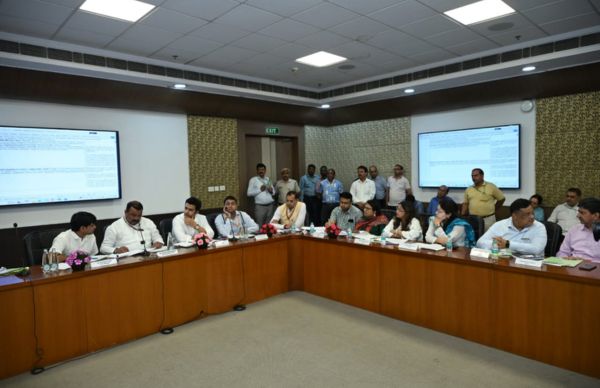
Representatives from various government departments participated in the review meeting and shared updates on the implementation of welfare schemes. Discussions focused on strengthening coordination among agencies to improve the delivery of benefits and address challenges faced by sanitation workers.
The Commission stressed the importance of timely access to healthcare, insurance coverage, educational support for children, and housing assistance for sanitation workers. It also encouraged state authorities and local bodies to ensure that welfare programmes reach every eligible beneficiary without delay.
Special emphasis was placed on promoting mechanised sanitation practices to reduce manual intervention in hazardous environments. Officials noted that adopting modern technology and equipment would improve worker safety while enhancing the efficiency of sanitation services.
The review further examined measures to improve working conditions through regular health check-ups, awareness programmes, and capacity-building initiatives. Authorities were urged to strengthen monitoring mechanisms and ensure compliance with labour and safety regulations.
The National Commission for Safai Karamcharis reaffirmed its commitment to protecting the rights and dignity of sanitation workers by continuously reviewing the implementation of welfare schemes and recommending policy improvements where necessary.
Officials stated that the Commission will continue working with central and state governments to strengthen sanitation infrastructure, improve occupational safety, and ensure better living standards for sanitation workers and their families.
The review reflects the government’s continued focus on enhancing the welfare of Safai Karamcharis through improved social protection, safe working environments, and effective implementation of welfare programmes across the country.