



















New Delhi: Union Finance Minister Nirmala Sitharaman has said tax administrations around the world are increasingly moving away from paper-based and relationship-dependent processes towards systems driven by data, technology and digital platforms.
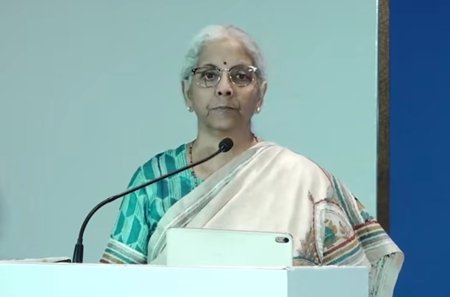
Addressing the inaugural session of the BRICS Tax Heads meeting in New Delhi on September 23, Sitharaman highlighted India’s experience with technology-led tax administration and said several of the country’s initiatives have attracted interest among BRICS partner nations.
The Finance Minister pointed to measures including faceless assessment, pre-filled tax returns, real-time invoice authentication and artificial intelligence-enabled assistance for taxpayers as examples of India’s efforts to modernise tax administration.
Technology, Administration and People
Sitharaman identified technology, administration and people as three broad areas emerging from the BRICS tax track this year.
She said technological developments are changing the way tax authorities interact with taxpayers, while administrative reforms can improve efficiency and transparency in tax systems. The focus on people, meanwhile, underlines the importance of making tax processes easier to understand and access.
India’s digitalisation of tax services has increasingly sought to reduce physical interaction between taxpayers and tax authorities while using data to improve compliance and streamline processes.
New BRICS Tax Working Groups
The BRICS Tax Heads meeting is also set to examine the Scoping Documents for two proposed Working Groups.
One working group will focus on International Taxation and Transfer Pricing, areas that have become increasingly important as businesses operate across multiple jurisdictions. The second will focus on Revenue Statistics, with the objective of improving the availability and use of comparable tax and revenue data.
The discussions are expected to provide a platform for BRICS members to exchange experiences and examine approaches to emerging challenges in tax administration.
The emphasis on digital systems also comes as tax authorities globally seek to make greater use of data analytics, automation and artificial intelligence. Such technologies can potentially help administrations process information more efficiently while improving taxpayer services and compliance mechanisms.
Sitharaman’s remarks at the meeting underline India’s broader push towards a technology-enabled tax ecosystem, with digital processes increasingly becoming an integral part of tax administration.
The BRICS tax discussions provide an avenue for member countries to share their experiences and explore areas of cooperation as tax systems adapt to an increasingly digital and interconnected global economy.