





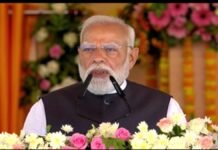








Prime Minister Narendra Modi on Tuesday inaugurated Pune Metro Line 3, popularly known as the Pink Line, and laid the foundation stone for four new metro corridors under Phase-II of the Pune Metro project. The combined projects are valued at approximately ₹21,800 crore and are expected to significantly strengthen public transportation and urban connectivity in the city.
The programme was conducted through video conferencing, with Maharashtra Chief Minister Devendra Fadnavis and other senior leaders participating in the event.
The Prime Minister inaugurated the 23-kilometre Hinjawadi-Maan to Shivajinagar Metro corridor by virtually flagging off a metro train. The new line, constructed at a cost of more than ₹8,300 crore, will connect Pune’s major IT hub at Hinjawadi with Shivajinagar, providing improved transportation facilities to thousands of IT professionals, students and daily commuters.
Passenger services on the new corridor are scheduled to commence on November 4, 2026.
Four New Metro Corridors Under Phase-II
Alongside the inauguration, the Prime Minister laid the foundation stone for Pune Metro Phase-II, estimated to cost approximately ₹13,500 crore. The expansion includes four important corridors designed to connect residential, commercial and rapidly developing IT centres across the city.
The proposed routes include:
- Line 2A: Vanaz to Chandani Chowk.
- Line 2B: Ramwadi to Vitthalwadi.
- Line 4: Kharadi to Khadakwasla, covering approximately 25.52 kilometres.
- Line 4A: Nal Stop to Manik Baug, spanning approximately 6.12 kilometres.
Together, Lines 2A and 2B will cover approximately 12.75 kilometres, extending the existing east-west metro network.
The new corridors will improve connectivity to important locations, including Kharadi, Magarpatta, Hadapsar, Swargate, Manik Baug, Nanded City, Pune Cantonment and Warje. Interchange facilities at Swargate, Nal Stop and Kharadi Bypass will further integrate the expanded network with existing metro services and intercity bus transportation.
Women’s Empowerment and Green Mobility
A major highlight of Pune Metro Line 3 is its commitment to women’s empowerment. The entire metro service will be operated by women train operators, making it a significant example of gender-inclusive public transportation.
The project also incorporates environmentally sustainable features, with approximately 30 per cent of its electricity requirements expected to be met through solar energy.
Initially, passenger services will operate at 17 of the corridor’s 23 stations, while the remaining six stations are scheduled to become operational in phases by January 2027.
PM Modi Highlights Pune’s Role in India’s Development
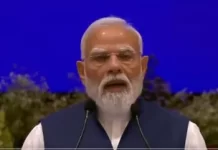
Addressing the gathering, Prime Minister Modi said Pune was playing an important role in shaping the vision of a developed India. He emphasised that expanding metro connectivity was giving the city a modern identity while supporting economic growth and improving the quality of life for citizens.
The Prime Minister also highlighted the expansion of metro transportation across India, noting that metro services are now operational in 26 cities, with the country’s total metro network growing from approximately 248 kilometres to more than 1,200 kilometres.
Maharashtra Chief Minister Devendra Fadnavis said the state government was committed to strengthening public transportation through modern and environmentally sustainable infrastructure. He observed that expanding metro connectivity would reduce travel time, ease congestion and create fresh opportunities for trade, industry and employment.
The inauguration of Line 3 and the launch of Phase-II mark an important milestone in Pune’s infrastructure development. The projects are expected to improve daily commuting, strengthen economic activity and support the city’s transformation into a more connected and sustainable urban centre.