











2 Aug: In a commendable push to blend community upliftment with local enterprise, Reasi district is preparing for two impactful events — the 7-day Aakansha Haat and the Sampoornata Abhiyan Samman Samaroh – scheduled to commence on August 2nd at the Spiritual Growth Center, Katra.
At the helm of the preparations is Deputy Commissioner Nidhi Malik, who recently chaired a high-level meeting to ensure seamless coordination and execution of both initiatives. These events reflect not just the administrative machinery in motion but also the rising focus on community-driven development and recognition of grassroots efforts.
The Aakansha Haat, a week-long exhibition, aims to showcase the talent and productivity of local artisans, Self-Help Groups (SHGs), and farmers. The stalls will offer an eclectic mix of handicrafts, organic produce, and handmade goods, turning the venue into a vibrant marketplace for rural entrepreneurship. Beyond commerce, the Haat is also a platform for on-the-spot service delivery, including government schemes, banking support, and public awareness drives — a true one-stop opportunity for citizens to connect with governance in action.
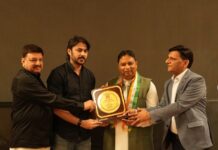
Adding to the momentum is the Sampoornata Abhiyan Samman Samaroh, an event designed to honour the efforts of officials and field workers who contributed to the saturation of six key development indicators in Aspirational Districts and Blocks. Particularly noteworthy is Thakrakote Block, which has reportedly shown outstanding performance in achieving its goals. Recognizing these contributions not only boosts morale but also sets a benchmark for other blocks to emulate.
DC Malik’s directive for departmental stalls, community participation, and recognition of high-performing artisans and stalls reflects a refreshing approach — one where governance, gratitude, and grassroots enterprise converge.
The coordinated efforts of various departments, including the ADDC, CPO, PO ICDS, LDM, and CMO, signal that Reasi is not just planning events but cultivating a model of inclusive development. These platforms can serve as blueprints for other districts aiming to balance economic revival with social recognition.