

















Sunil Sethi JSunil Sethi Raises Concern Over POJK Unrest, Calls Attention to Human Rights and Development Crisis
The recent concerns raised regarding the situation in Pakistan-occupied Jammu and Kashmir (POJK) have once again brought international attention to a region that has long remained under the shadow of political uncertainty, economic deprivation, and allegations of human rights violations. Reports of large-scale civilian casualties during protests have triggered serious questions about governance, accountability, and the democratic rights of the people living in the territory.
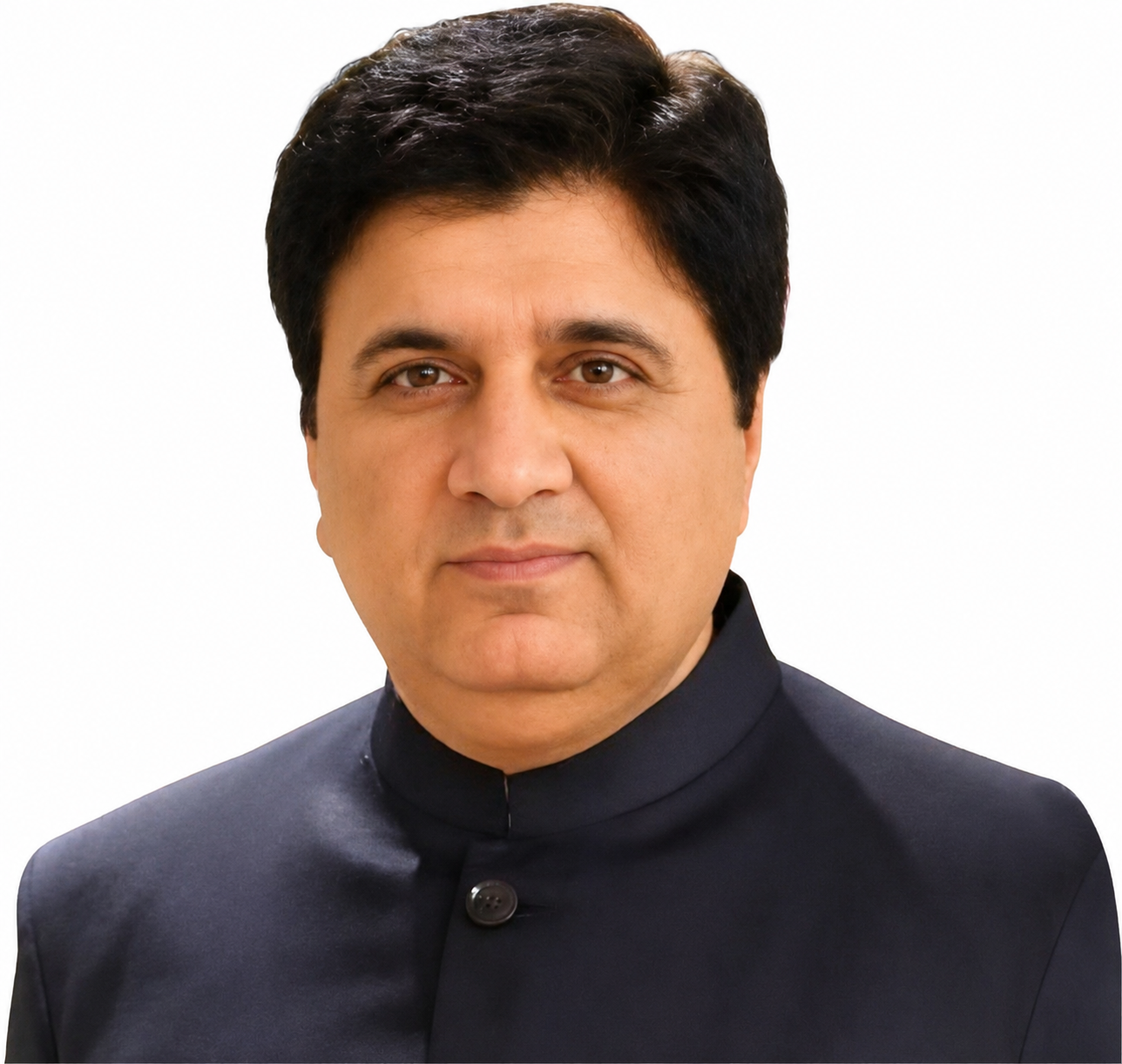
According to Jammu and Kashmir BJP Chief Spokesperson Sunil Sethi, more than a hundred civilians have reportedly lost their lives during clashes involving police and security forces. While the exact figures and circumstances continue to be debated, the growing unrest itself reflects deep-rooted frustrations among the local population.
At the heart of the issue lies a simple demand: development, dignity, and fundamental rights. Residents of POJK have repeatedly raised concerns regarding unemployment, inadequate infrastructure, rising inflation, and the lack of political empowerment. In an age where information flows freely across borders, comparisons with developmental models elsewhere have become inevitable. Many residents are increasingly questioning why they continue to face economic hardship and limited opportunities despite decades of political promises.
The situation also highlights a larger debate about democratic freedoms. When citizens seeking better living conditions and greater participation in governance are met with force, it raises concerns that extend beyond regional politics. Sustainable peace cannot be achieved through coercion alone; it requires trust, representation, and a willingness to address legitimate public grievances.
The unrest in POJK is not merely a local law-and-order issue. It reflects the challenges faced by populations living in disputed and politically sensitive territories where aspirations for economic progress often collide with strategic and security considerations. History has repeatedly demonstrated that ignoring public sentiment only deepens alienation and instability.
Equally significant is the geopolitical dimension of the crisis. The region occupies a sensitive position in South Asian politics, and developments there inevitably influence broader India-Pakistan relations. Statements comparing the current situation to historical events, including the turmoil that eventually led to the creation of Bangladesh, underscore the seriousness with which some observers view the ongoing unrest. While historical parallels should be drawn carefully, they serve as reminders that public discontent, when left unaddressed, can have long-term consequences.
Another concern raised by political leaders is the possibility that escalating tensions within POJK could divert attention through heightened security challenges elsewhere in the region. Such warnings reinforce the need for vigilance and cooperation among security agencies while ensuring that civilian rights and democratic principles remain protected.
The international community, human rights organizations, and regional stakeholders must closely monitor developments in POJK. Transparency, independent investigations into allegations of excessive force, and meaningful engagement with local communities are essential steps toward restoring confidence and stability.
Ultimately, the people of POJK deserve what citizens everywhere aspire to: safety, opportunity, justice, and a voice in shaping their future. Lasting peace will not emerge from suppressing demands for rights and development. It will come only when governance responds to the aspirations of the people rather than viewing them as threats.
The unfolding events in POJK should serve as a reminder that human dignity and democratic accountability remain the strongest foundations of stability. Ignoring those principles risks turning public frustration into a deeper and more enduring crisis.