















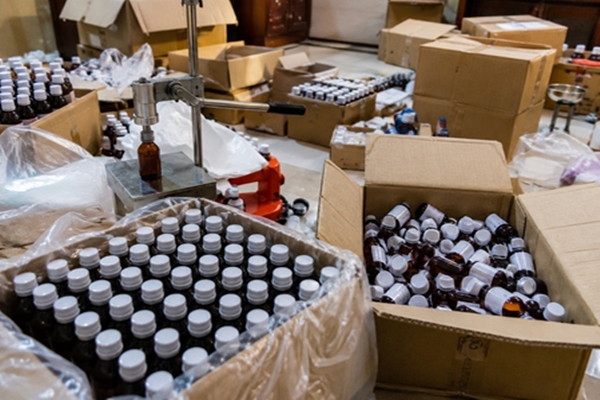
16 June: NEW DELHI: The Union Health Ministry has clarified that the sale of cough syrups and other regulated medicines in smaller villages will be permitted only through licensed pharmacies, a move aimed at strengthening drug safety, ensuring quality control, and preventing misuse of pharmaceutical products.
The decision forms part of the government’s broader efforts to improve the regulation of medicine distribution across rural and urban areas. Officials said the measure is intended to ensure that medicines are dispensed through authorized channels and under appropriate oversight.
According to the Health Ministry, licensed pharmacies are required to comply with established standards related to storage, handling, and sale of medicines. Restricting the sale of cough syrups to authorized outlets is expected to help safeguard public health and reduce the risk of unauthorized distribution.
Health authorities have emphasized that proper regulation of pharmaceutical products is essential to ensure patient safety. Medicines sold through licensed pharmacies are subject to quality checks and regulatory monitoring, which helps protect consumers from counterfeit, substandard, or improperly stored products.
Officials noted that cough syrups are commonly used to treat respiratory ailments, but certain formulations require careful handling and responsible dispensing. The new directive seeks to ensure that consumers receive medicines from qualified and regulated sources.
The Ministry stated that the move will also strengthen accountability within the pharmaceutical supply chain. By channeling sales through licensed pharmacies, authorities can better monitor distribution practices and ensure compliance with applicable laws and regulations.
Public health experts have welcomed the decision, arguing that regulated medicine sales contribute to safer healthcare outcomes. They noted that licensed pharmacies play an important role in guiding patients on the proper use of medicines and reducing the risk of inappropriate consumption.
The directive is particularly significant for rural areas, where access to healthcare services and regulated pharmaceutical outlets can vary. Authorities said efforts are underway to strengthen healthcare infrastructure and improve access to licensed pharmacies in underserved regions.
Officials further emphasized that the objective is not to restrict access to essential medicines but to ensure that medicines reach consumers through safe and legally compliant channels. They added that public awareness initiatives may be undertaken to educate people about the importance of purchasing medicines from authorized outlets.
The pharmaceutical sector remains a critical component of India’s healthcare system, supplying medicines to millions of people across the country. Regulatory measures aimed at improving transparency and safety are considered essential for maintaining public confidence in healthcare services.
Industry observers believe the decision could contribute to improved monitoring of medicine distribution while supporting efforts to curb unauthorized sales. Enhanced oversight may also help strengthen pharmacovigilance and ensure adherence to quality standards.
The Health Ministry reiterated its commitment to protecting public health through effective regulation and responsible medicine management. Officials said ensuring safe access to medicines remains a key priority as healthcare services continue to expand across the country.
The latest measure reflects the government’s focus on balancing accessibility with safety, ensuring that essential medicines remain available while maintaining strong safeguards for consumers.