



















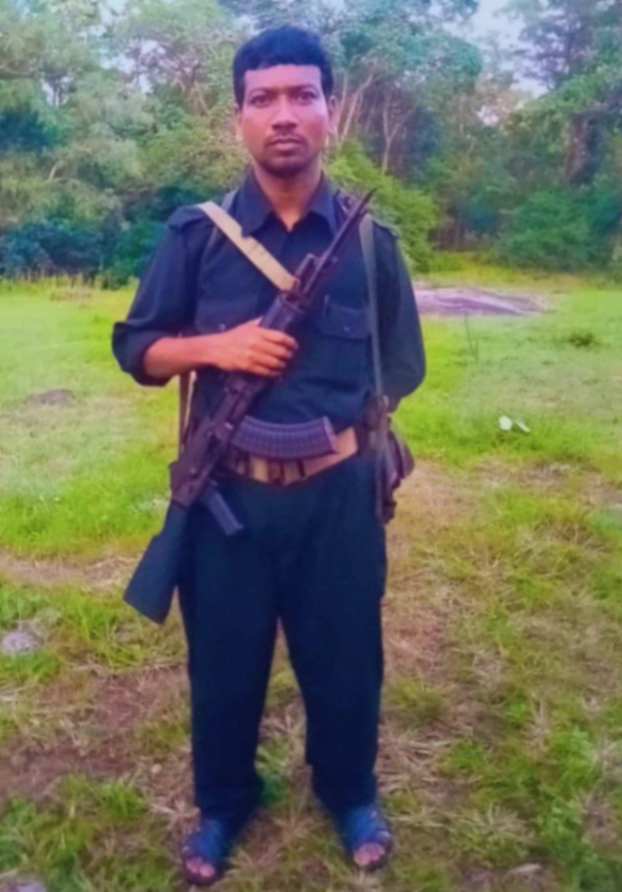
Nov 18, 2025: The killing of Madvi Hidma, one of India’s most feared Maoist commanders, represents a critical moment in the country’s long and complex battle against Left-Wing Extremism (LWE). At 43, Hidma had risen to become a symbol of violent insurgency in the Bastar region, orchestrating some of the deadliest attacks on security forces and political leaders. His death in an encounter signals a major tactical victory for the Indian security establishment—yet it also reignites deeper questions about the future course of the insurgency and the roadmap toward lasting peace.
For over a decade, Hidma remained a shadowy yet decisive force within the Maoist hierarchy. Operating from the dense forests of Sukma and Dantewada, he gained notoriety for his ruthless guerrilla strategies and his ability to evade some of the most sophisticated counterinsurgency operations. His name became synonymous with high-casualty ambushes and meticulously planned attacks.
Among the most devastating incidents attributed to him were:
1. The 2010 Dantewada Attack
One of the darkest days for Indian security forces, this ambush resulted in the killing of 76 CRPF jawans. The incident exposed gaps in counterinsurgency preparedness and signaled a need for a strategic overhaul.
2. The 2013 Jhiram Ghati Massacre
The brutal attack resulted in the deaths of 27 people, including senior Congress leaders. It shook the national political landscape and highlighted the Maoists’ ability to hit high-profile targets with precision.
3. The 2021 Sukma–Bijapur Ambush
Another deadly assault, killing 22 security personnel, demonstrated Hidma’s continued operational dominance and his deep understanding of terrain and local networks.
These attacks cemented Hidma’s position as one of the most dangerous figures within CPI (Maoist). His demise, therefore, is both symbolically and operationally significant.
Why Hidma’s Killing Matters
The immediate impact of Hidma’s death is a substantial psychological blow to the Maoist movement, particularly in the core Bastar region where he was considered a decisive operational commander. His leadership in the People’s Liberation Guerrilla Army (PLGA) Battalion No. 1 made him a key architect of ambush tactics, area domination strategies, and intelligence networks.
Removing a commander of his stature disrupts:
-
command-and-control systems
-
local intelligence gathering
-
logistical support chains
-
coordination across Maoist cadres
Security experts believe that the loss of Hidma may create temporary disorientation within the Maoist ranks, potentially reducing their capacity for high-intensity attacks in the near term.
A Turning Point—But Not the End of the Challenge
While Hidma’s death is a noteworthy milestone, it does not automatically signify the collapse of the insurgency. History shows that Maoist structures, though weakened, often regroup by elevating new leaders. The challenge now lies in sustaining pressure while simultaneously addressing long-standing structural issues.
The fight against Left-Wing Extremism is not merely military—it is deeply socio-economic. Many regions affected by Maoist violence continue to face:
-
lack of infrastructure
-
limited access to healthcare and education
-
absence of livelihood opportunities
-
mistrust between local populations and the administration
For security gains to translate into lasting peace, these gaps must be closed with urgency and sensitivity.
The Road Ahead: Beyond Tactical Success
India’s counterinsurgency approach has evolved significantly over the last decade. Better coordination between central and state forces, enhanced intelligence sharing, and improved training have contributed to major breakthroughs. Yet, the elimination of leaders like Hidma presents a crucial opportunity.
The momentum must now be used to:
-
strengthen governance in remote tribal regions
-
improve road connectivity and digital access
-
expand healthcare and schooling
-
build trust through transparent administration
-
empower local communities economically
-
incorporate surrendered cadres into rehabilitation programs
These steps are essential to prevent the vacuum left by Hidma’s death from being filled by another violent leader.
Conclusion
The encounter that led to the death of Madvi Hidma closes one of the bloodiest chapters in India’s LWE history. For the families of the security personnel killed in the attacks he masterminded, it brings a sense of justice long overdue. But for the nation, it represents more than just the removal of a feared insurgent—it is a reminder that while tactical victories are vital, the path to sustainable peace rests equally on development, inclusion, and consistent state presence.
Hidma’s fall should inspire renewed commitment to peacebuilding, ensuring that the region moves from the shadows of conflict toward stability, opportunity, and hope.