
















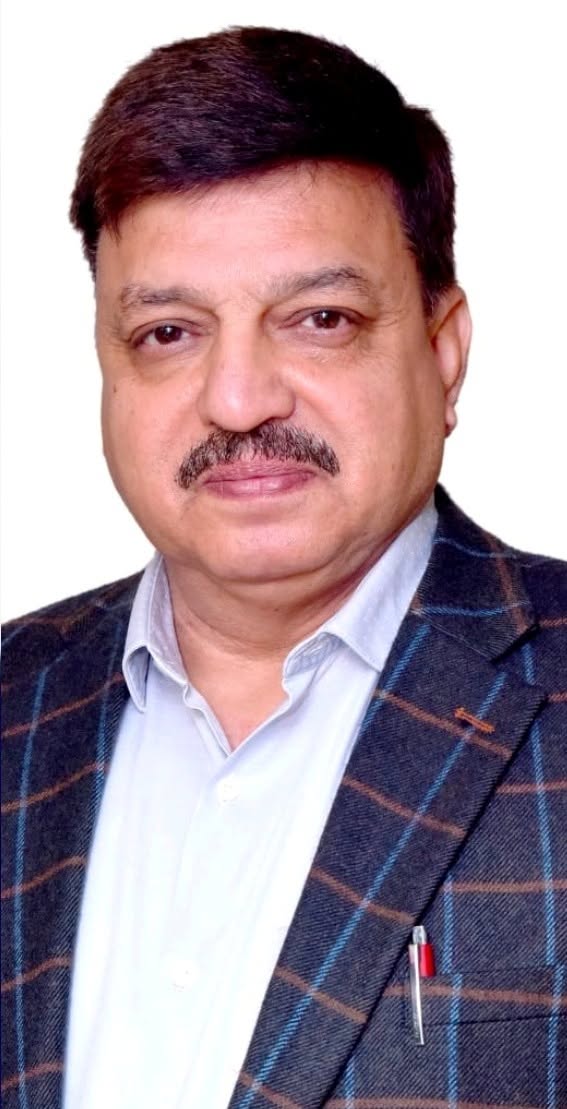
Sh. Arun Gupta, President Chamber of Commerce & Industry, Urges Government to Prioritize Reliable Power Over New Billing Systems
The concerns raised by Sh. Arun Gua President of the Chamber of Commerce & Industry, Jammu, have highlighted a growing issue that affects every section of society—unreliable power supply. His appeal to the government to focus on strengthening electricity infrastructure before introducing prepaid billing systems deserves serious consideration.
Electricity is the backbone of modern life. From households and educational institutions to industries and commercial establishments, uninterrupted power is essential for smooth functioning. However, residents across Jammu continue to face frequent and unscheduled power cuts, particularly during the hot and humid summer months. These outages not only cause discomfort but also disrupt daily life and economic activity.
What makes the situation more concerning is that even areas equipped with smart meters are reportedly experiencing the same power interruptions. Smart metering was introduced with promises of better service delivery, efficient power management and improved consumer experience. When consumers continue to face prolonged outages despite these reforms, it naturally raises questions about the effectiveness of the overall system.
The economic impact of erratic power supply cannot be ignored. Small businesses and industrial units rely heavily on uninterrupted electricity to maintain productivity and meet operational commitments. Frequent power cuts lead to production losses, increased costs and reduced competitiveness. Many commercial establishments are forced to depend on diesel generators, adding to their financial burden at a time when businesses are already facing multiple challenges.
The hardships extend beyond the business community. Students preparing for examinations often find their studies disrupted, while households struggle with basic comforts during extreme weather conditions. Power outages also affect essential services such as water supply, creating additional inconvenience for residents.
Another issue that requires urgent attention is the reported failure of several smart meters due to voltage fluctuations and unstable power supply. Consumers whose meters become non-functional should not be penalized through estimated or flat-rate billing that may exceed their actual consumption. Replacing faulty meters promptly and ensuring transparent billing practices are essential to maintaining consumer trust.
Equally important is the slow progress of underground cabling projects in Jammu. These projects were launched to modernize the power distribution network, reduce technical losses and improve reliability. Delays in execution have deprived consumers of the expected benefits while leaving them dependent on overhead lines that remain vulnerable to weather-related disruptions and voltage fluctuations. The authorities must provide a clear timeline for the completion of these projects and ensure their timely implementation.
Against this backdrop, the government’s proposal to introduce prepaid electricity billing appears premature. While such systems may help improve revenue collection and encourage responsible consumption, they cannot substitute for quality service delivery. Consumers are more likely to accept reforms when they are accompanied by tangible improvements in power supply and infrastructure.
The path forward is clear. Strengthening the power distribution network, completing underground cabling projects, replacing faulty smart meters and ensuring a reliable 24×7 electricity supply should be the immediate priorities. Reforms that focus solely on billing mechanisms without addressing service deficiencies risk creating further dissatisfaction among consumers.
Sh. Arun Gupta’s intervention serves as a timely reminder that successful power sector reforms must be built on the foundation of reliable service. Before introducing new billing systems, the government must first deliver what consumers expect and deserve stable, uninterrupted and quality power supply. Only then can long-term reforms gain public confidence and achieve their intended objectives.