















Jan 08: In a significant step towards strengthening India’s engagement at the intersection of science, technology, and global policymaking, the Office of the Principal Scientific Adviser (OPSA) to the Government of India and the Observer Research Foundation (ORF) have announced a strategic partnership for the inaugural Raisina Science Diplomacy Initiative (SDI) 2026. The initiative will be held alongside the prestigious Raisina Dialogue from March 5 to 7, 2026, in New Delhi.
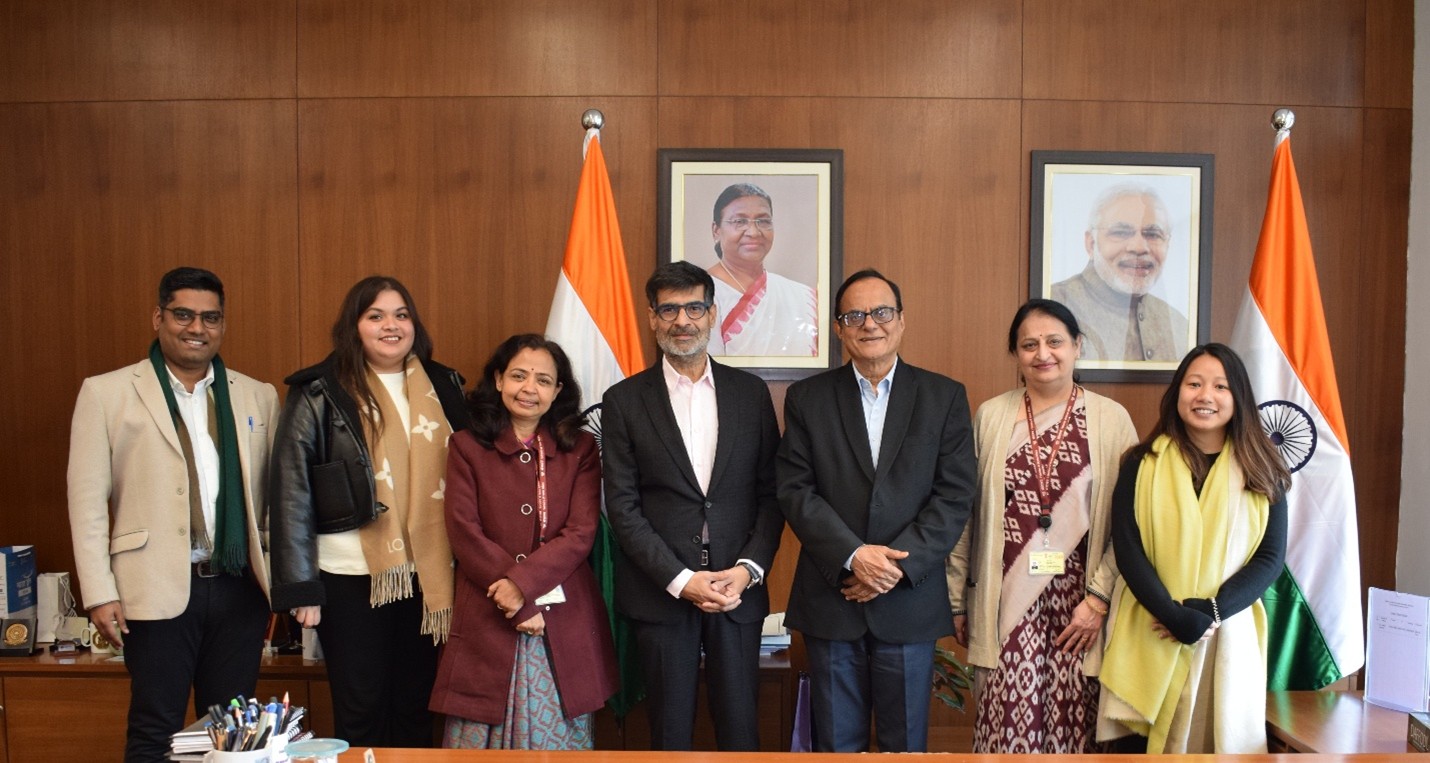
The partnership was jointly announced by Principal Scientific Adviser Prof. Ajay Kumar Sood and ORF President Dr. Samir Saran during a meeting at the Office of the PSA. Senior officials from OPSA and ORF were present, reflecting the institutional commitment to shaping a dedicated global platform for science diplomacy.
The Raisina Science Diplomacy Initiative aims to create a structured space within the Raisina Dialogue framework to deliberate on how science and technology increasingly shape diplomacy, global governance, and strategic decision-making. With emerging technologies transforming economies, security paradigms, and international relations, the initiative seeks to position India as a key contributor to global conversations on science-led policy.
Highlighting the relevance of the initiative, Prof. Ajay Kumar Sood underscored that science and technology now play a decisive role in shaping global policies and diplomatic engagements. He noted that evolving geopolitical realities, strategic autonomy, and rapid technological change present both challenges and opportunities for India and the world.
During the discussions, both institutions outlined the broad agenda and thematic focus of the Raisina SDI. The initiative will explore science and technology diplomacy in a multipolar world, with special attention to governing disruptive and emerging technologies such as artificial intelligence, advanced manufacturing, quantum technologies, and deep-tech innovations. Issues related to technology control regimes, research security, and equitable participation in global standards-setting will also feature prominently.
A defining aspect of the initiative will be its focus on inclusive global engagement, particularly amplifying perspectives from India and the Global South. As global rules around technology and innovation are shaped, the initiative aims to ensure that developing economies have a meaningful voice in international regulatory and governance frameworks.
The Raisina Science Diplomacy Initiative is designed to bring together scientists, diplomats, policymakers, industry leaders, and innovators for high-level deliberations. It will feature leadership-level plenary sessions alongside focused expert roundtables addressing specific and pressing questions in science diplomacy. These discussions are expected to generate actionable insights that can inform policy, international cooperation, and long-term strategic thinking.
Another key emphasis of the initiative is engaging emerging scientific leaders and deep-tech entrepreneurs. By providing a platform for interaction with international counterparts, the initiative seeks to foster cross-border collaborations, innovation partnerships, and knowledge exchange that align with global development priorities.
ORF President Dr. Samir Saran highlighted the importance of integrating science and technology discourse into diplomatic platforms such as the Raisina Dialogue. He noted that the initiative reflects the growing recognition that future global order will be shaped not only by political and economic forces, but also by scientific capabilities, technological leadership, and innovation ecosystems.
Scheduled to debut during the Raisina Dialogue 2026, the Raisina Science Diplomacy Initiative marks an important evolution in India’s global engagement strategy. By institutionalising science diplomacy discussions at one of the world’s leading multilateral dialogue platforms, India reinforces its role as a bridge-builder between science, policy, and diplomacy.
The initiative is expected to enrich global discourse with fresh perspectives, contribute to more balanced technology governance, and strengthen international cooperation in science and innovation—positioning India as a thought leader in shaping a sustainable and inclusive technological future.


 have announced a strategic partnership for the inaugural Raisina Science)