

















Jammu, August 18, 2026: The Jammu and Kashmir government has shared data on the presence of Rohingya and Bangladeshi nationals across the Union Territory, placing the issue of migration, border management and demographic changes under renewed scrutiny.
According to the data presented before the High-Level Committee on Demographic Change, a total of 7,656 Rohingyas and 504 Bangladeshi nationals have been identified across 20 districts of Jammu and Kashmir.
Jammu Division Accounts for Majority of Identified Rohingyas
The figures indicate a significant concentration of identified Rohingya nationals in the Jammu division. Of the total 7,656 Rohingyas recorded across the UT, 6,737 are in Jammu division, while 919 are in Kashmir division.
The data for Bangladeshi nationals presents a different distribution. Jammu division has recorded 46 individuals, compared with 458 in Kashmir division, taking the overall figure to 504.
The district-wise information has drawn attention to the geographical distribution of the identified population and the broader questions surrounding migration and demographic patterns in Jammu and Kashmir.
Security Concerns Near Border Areas
Officials have reportedly highlighted the presence of some individuals near border areas as a matter of security concern. Jammu and Kashmir shares sensitive international borders, making the identification and verification of people residing in border and strategically important locations an important component of security and administrative planning.
However, questions related to nationality, documentation and legal status require proper verification through established procedures. The issue therefore involves both security considerations and adherence to the legal framework governing identification and deportation.
Former J&K DGP Calls for Legal Action
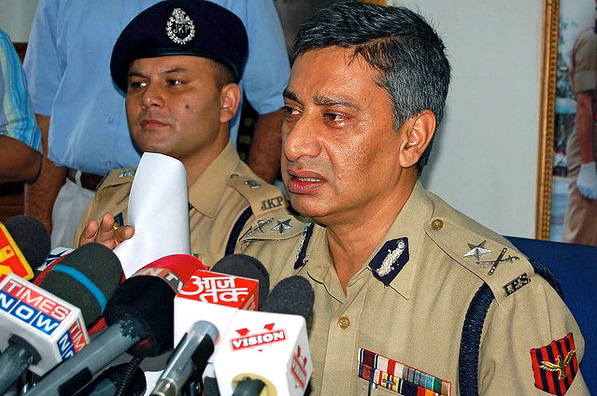
Former Jammu and Kashmir Director General of Police Dr SP Vaid has called for proper identification of such individuals and their legal repatriation where applicable.
Any action concerning foreign nationals must follow due process, including verification of identity and nationality and compliance with applicable laws and procedures. This approach is important to ensure that legitimate security concerns are addressed while legal safeguards are maintained.
High-Level Committee Examining Demographic Changes
The data has been placed before the High-Level Committee on Demographic Change, constituted by the Centre in May to examine issues related to infiltration and demographic changes in Jammu and Kashmir.
The committee’s examination comes amid continued discussion around population patterns, migration, border security and the impact of unauthorised entry into the Union Territory.
The latest figures provide the committee with a clearer picture of the numbers identified by the authorities and their geographical distribution. Further examination is expected to focus on documentation, nationality verification, the circumstances surrounding their presence and the applicable legal framework.
A Sensitive Issue Requiring Balanced Approach
The issue of Rohingya and Bangladeshi nationals in Jammu and Kashmir remains sensitive, involving multiple dimensions ranging from national security and border management to humanitarian and legal considerations.
As authorities continue the verification process, a transparent and lawful approach will be important. Accurate identification, proper documentation and adherence to established legal procedures can help distinguish between different cases and ensure that decisions are based on verified facts.
The figures shared before the committee are likely to add further substance to the ongoing assessment of demographic changes and migration patterns in Jammu and Kashmir. The committee’s findings and any subsequent government action will determine the next course of policy on the matter.